

1931 Pietenpol Air Camper
NX898H carries forward Bernard Pietenpol’s original 1920s idea: a homebuilt airplane any small-town tinkerer could assemble from hardware-store parts and a car engine.
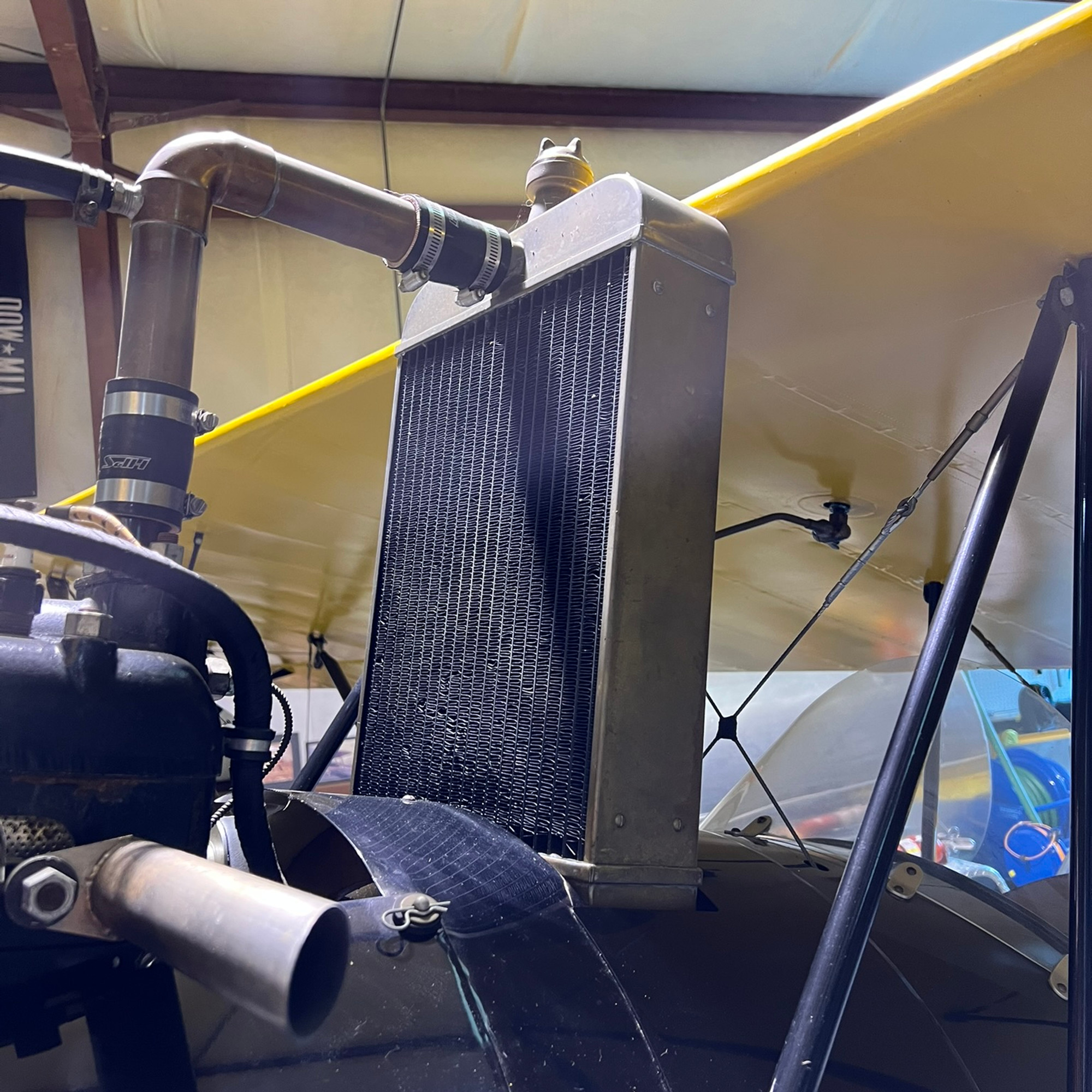
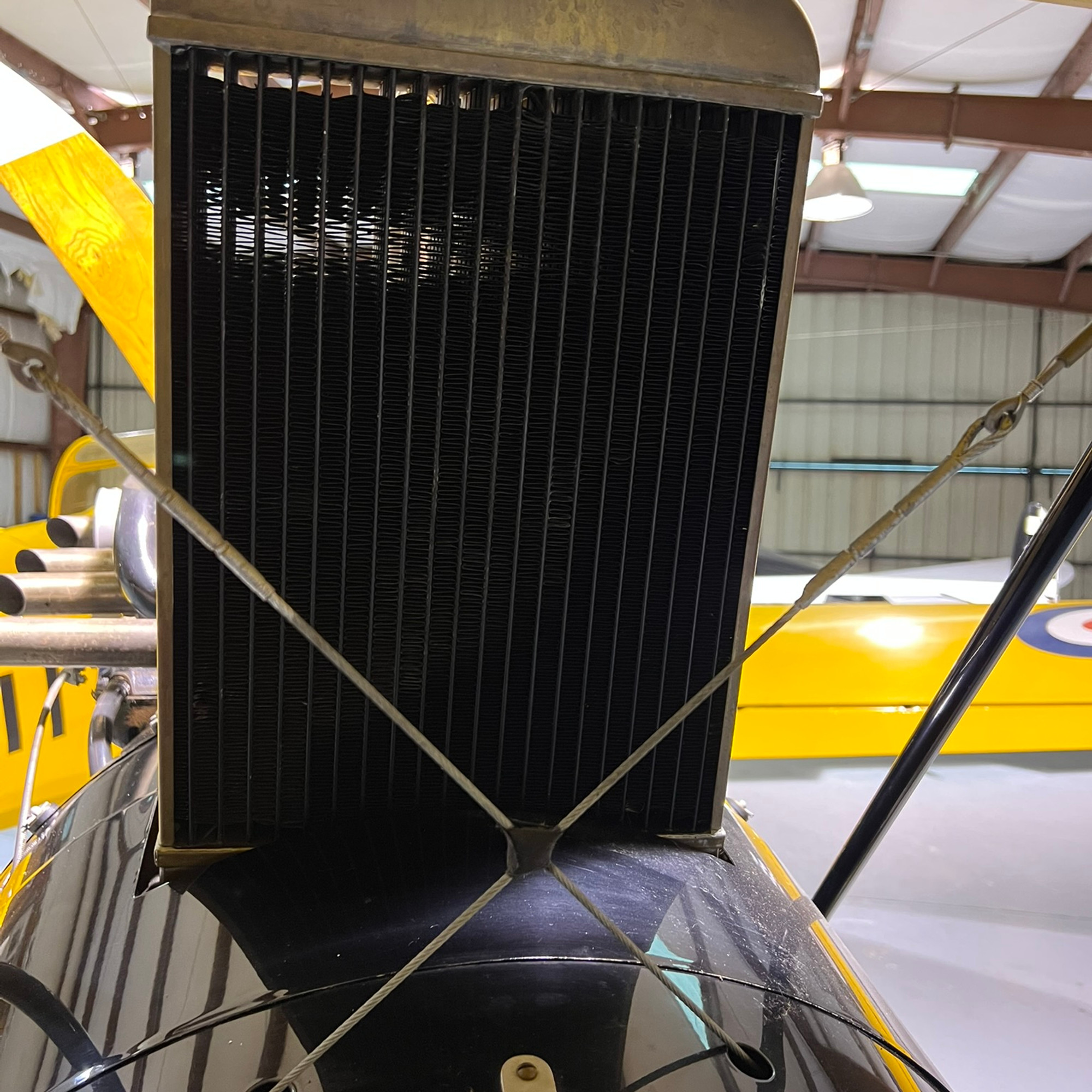
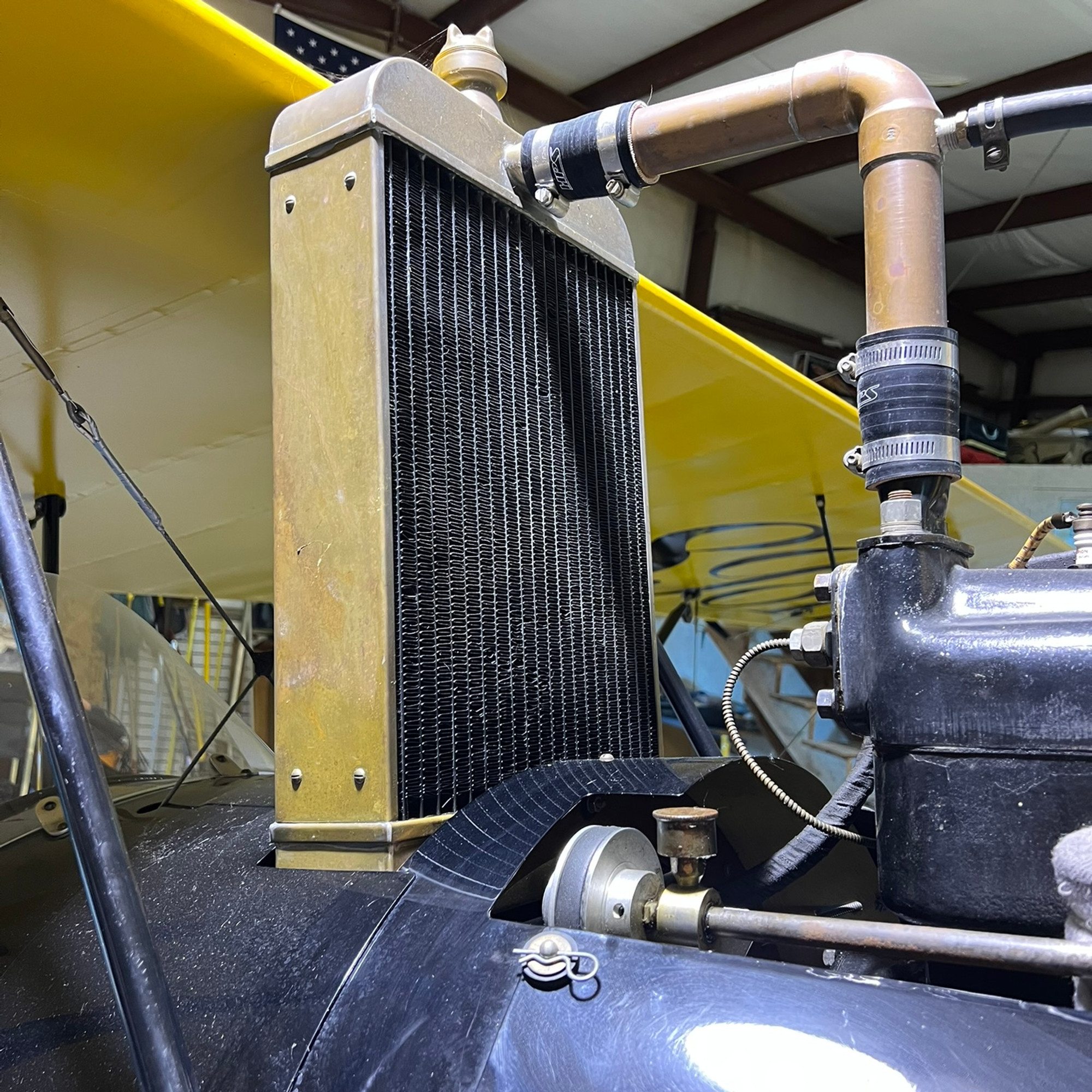
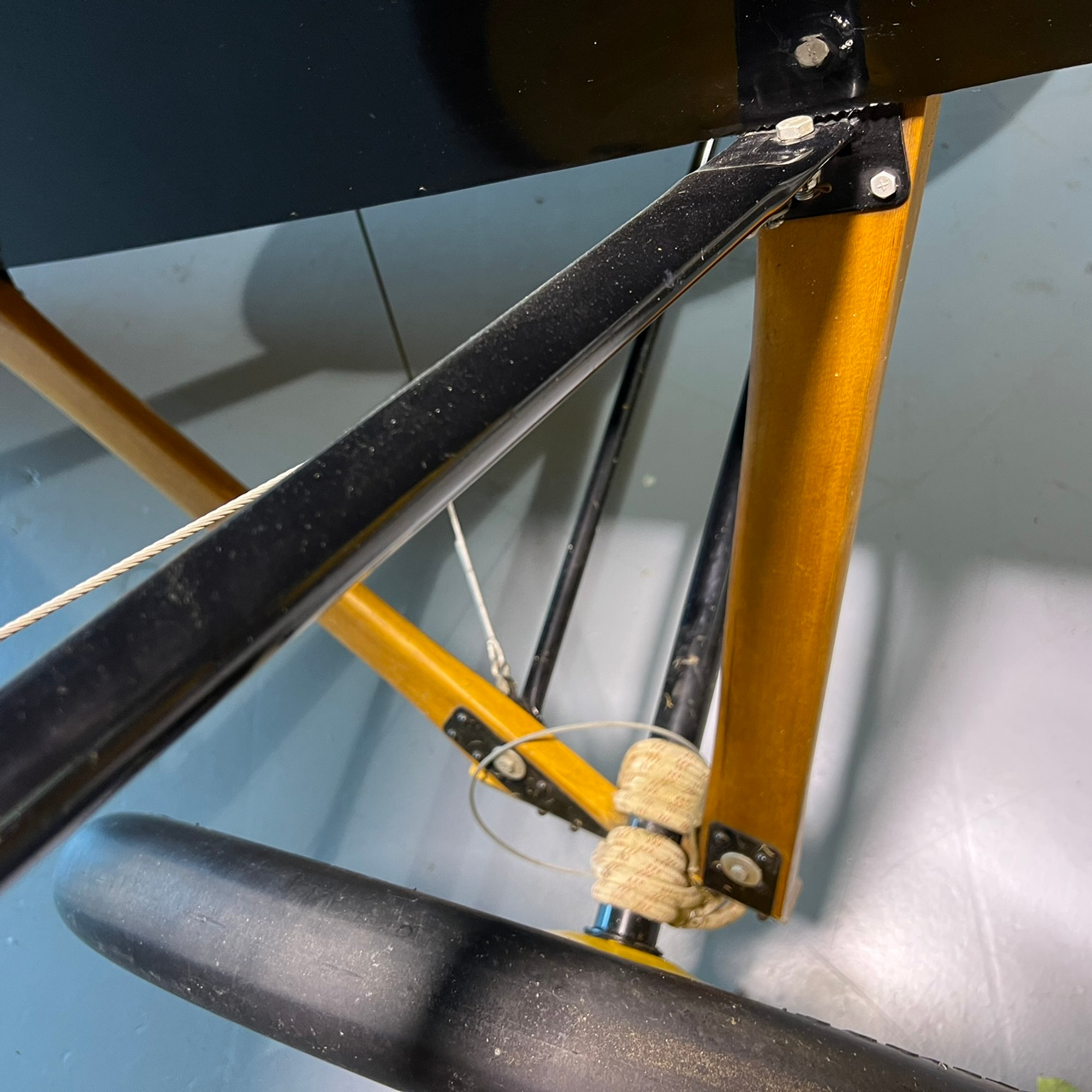
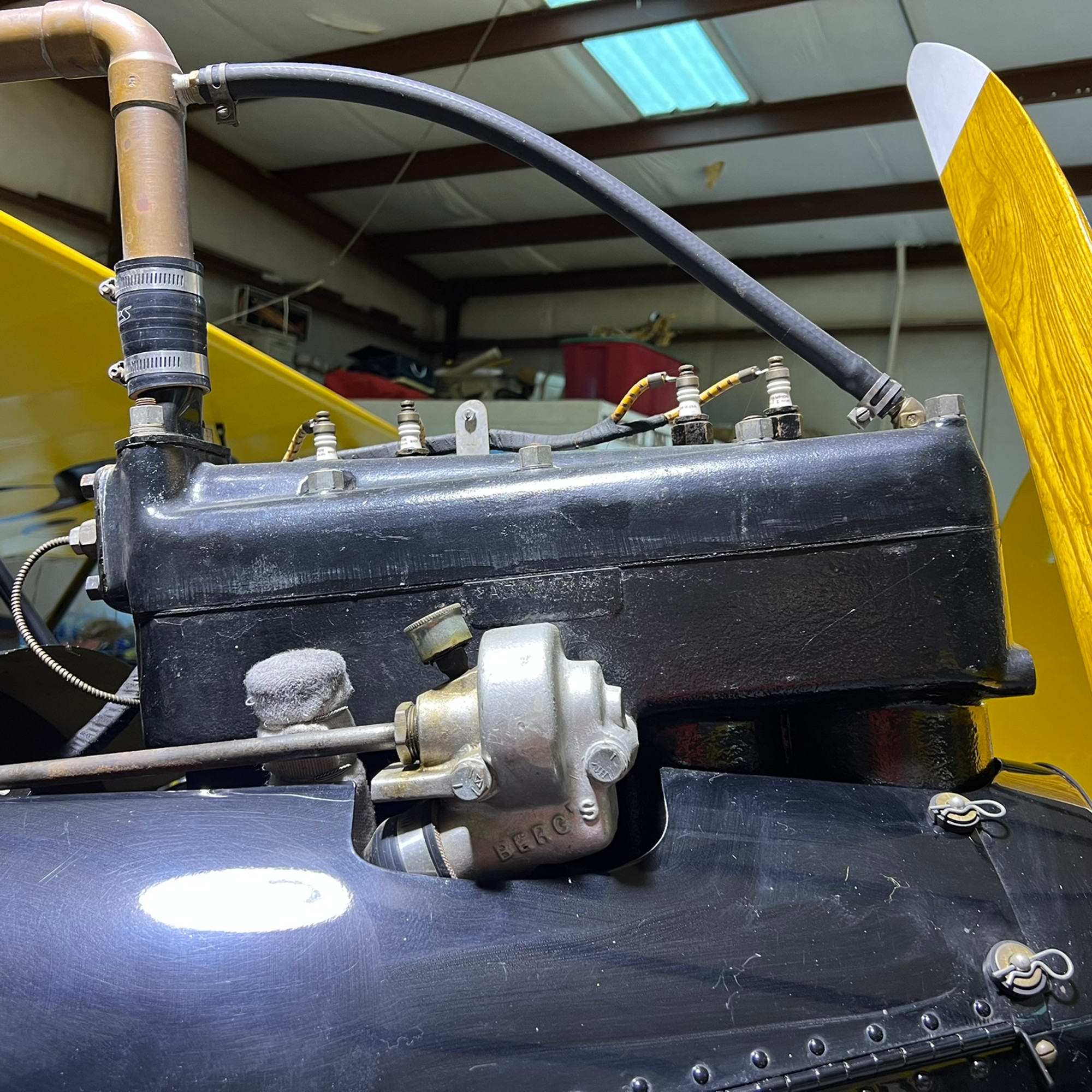
Built by Gene Rambo as faithful to Bernard Pietenpol's original design as possible — Ford Model A engine, brass radiator, wooden landing gear.
Flying with Ingenuity: 1931 Pientenpol Air Camper
Bernard Pietenpol was a small-town genius from Cherry Grove, Minnesota born in 1901 who loved to tinker. He built motorcycles, automobiles, electric generators, and even a motorized wheelchair. Like many other young men in the years after the first World War, he was also fascinated with flight. But flying then, as now, was expensive and affording an airplane seemed unreachable.
So, he designed his own. His first effort, in 1920, was powered by a Ford Model T engine of 20 horsepower. Luckily, as he admitted, it never got off the ground. He designed and built another plane, this one powered by a rotary “Gnome” engine, which also likely never flew. He bought an OX5 powered war surplus Jenny but didn’t own it long before he decided to try building his own airplane again.
Selling the Jenny, he went back to work and by 1929 had designed and flown the first “Air Camper” powered by a Model A engine. It was a complete success and soon others wanted one. Initially, you could purchase plans or a completed version for $750. In 1931 “Modern Mechanics and Inventions” published Pietenpol’s plans, and the design took off. Thousands of sets of plans were sold during the 1930’s.
Pietenpol developed plans for a single seat version called a “Sky Scout” as well. Both airplanes were designed to be easy to build by people with reasonable skill, though Bernard cautioned those who didn’t have confidence in their abilities to buy a plane built by someone else. The idea behind the design was to be able to use inexpensive and readily available parts to build a safe, fun, flying machine.
Since Pietenpol’s first Air Camper was built in 1929, thousands have been built in hangars and garages all over the world. Plans are still available from the Pietenpol Aircraft Company and builders continue to tweak the design with their own ideas and modifications. The annual Brodhead Pietenpol Association’s annual fly in at Brodhead, Wisconsin demonstrates the bewildering array of variations in Bernard’s brainchild.
NX898H: The Handcrafted Dream
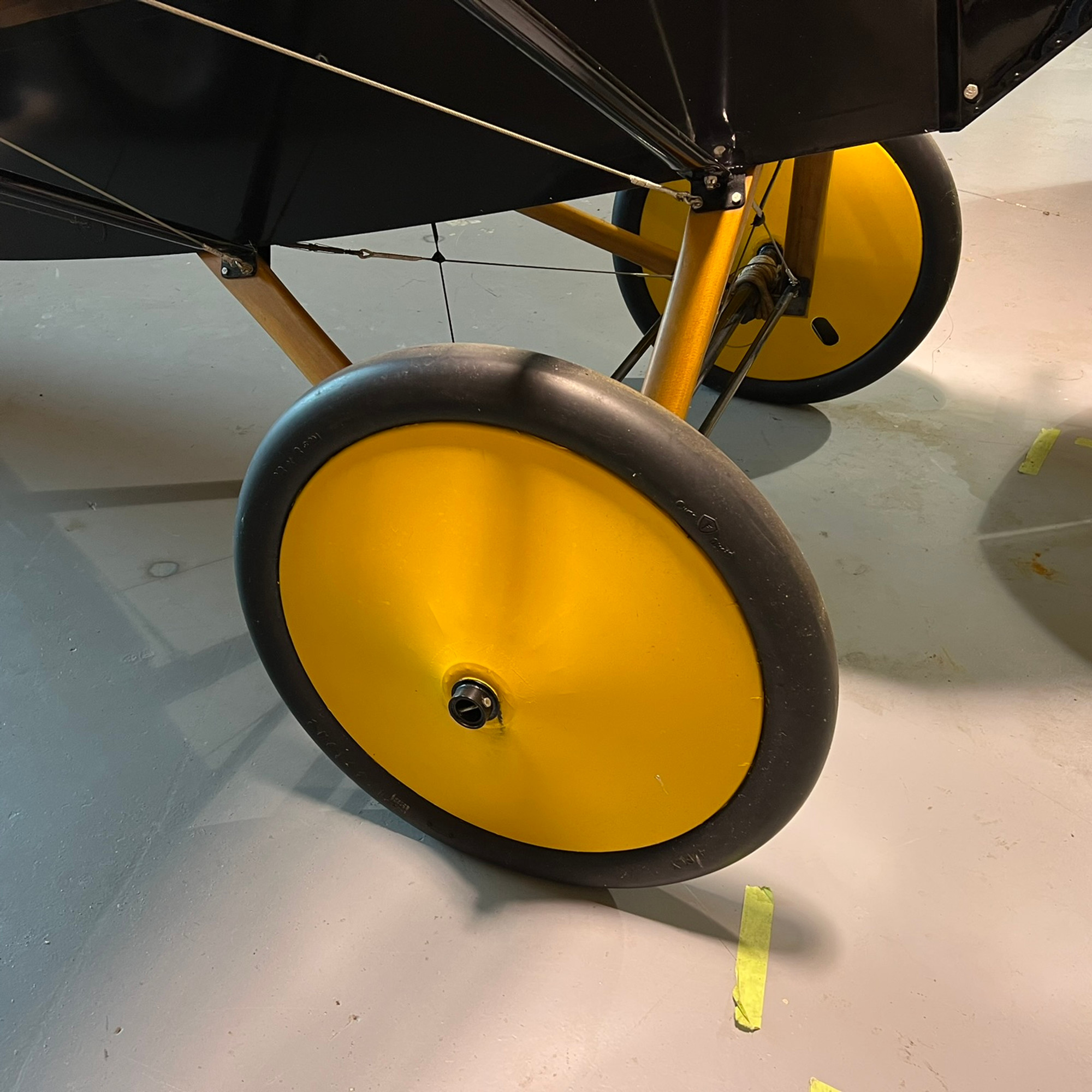
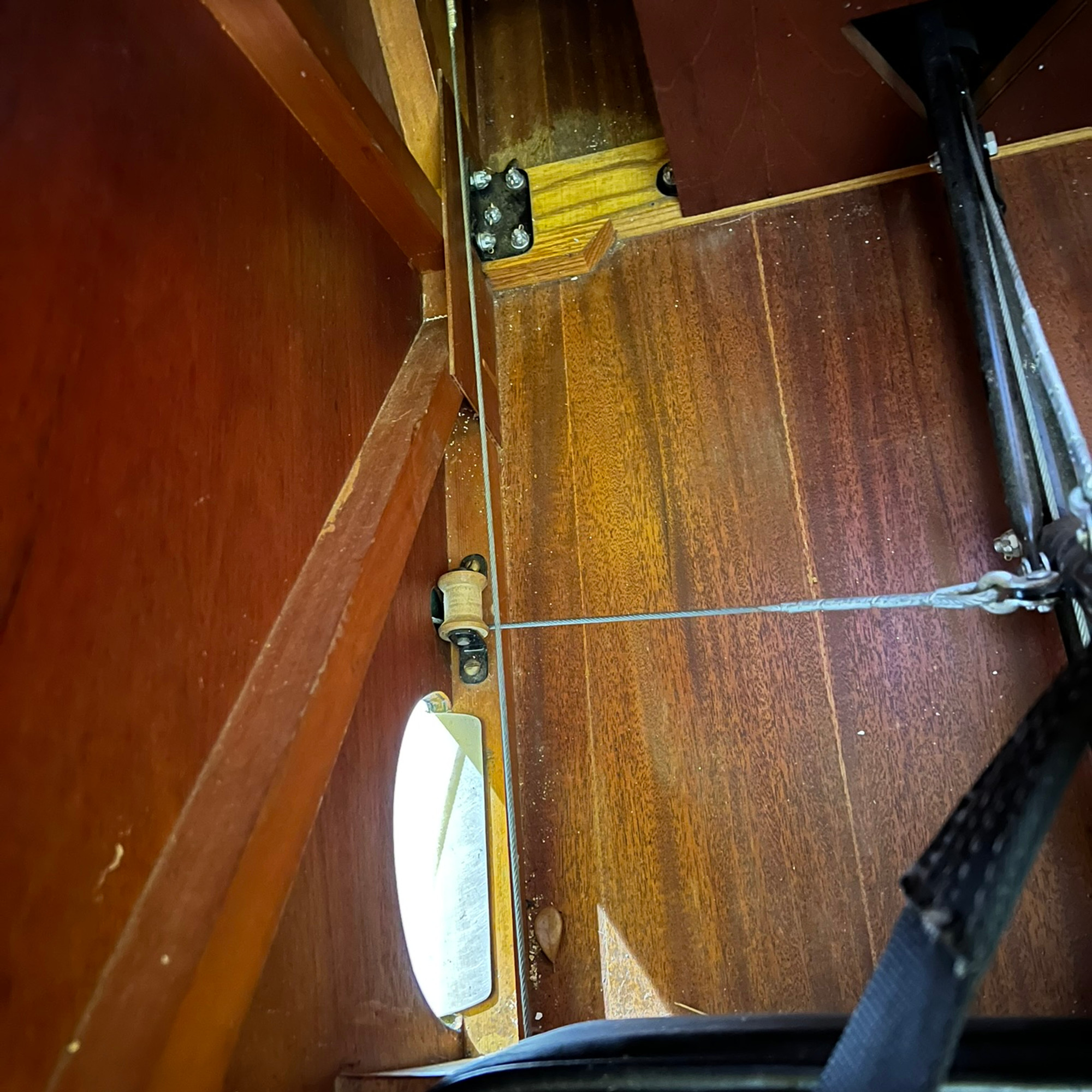
Gene Rambo decided to build a Pietenpol Air Camper in part because he wanted one that was as faithful to the original design as possible. He wanted a Ford Model A engine. He had to have a brass radiator. It was important to use household items like thread spools and soup cans in the construction just as Bernard Pietenpol had done. And he wanted wooden landing gear and bicycle wheels just like the first Air Camper. While the newer plans showed how to construct an easier to build, assemble, and transport three-piece wing Gene decided, despite the challenges, to build the original 29-foot span wing.
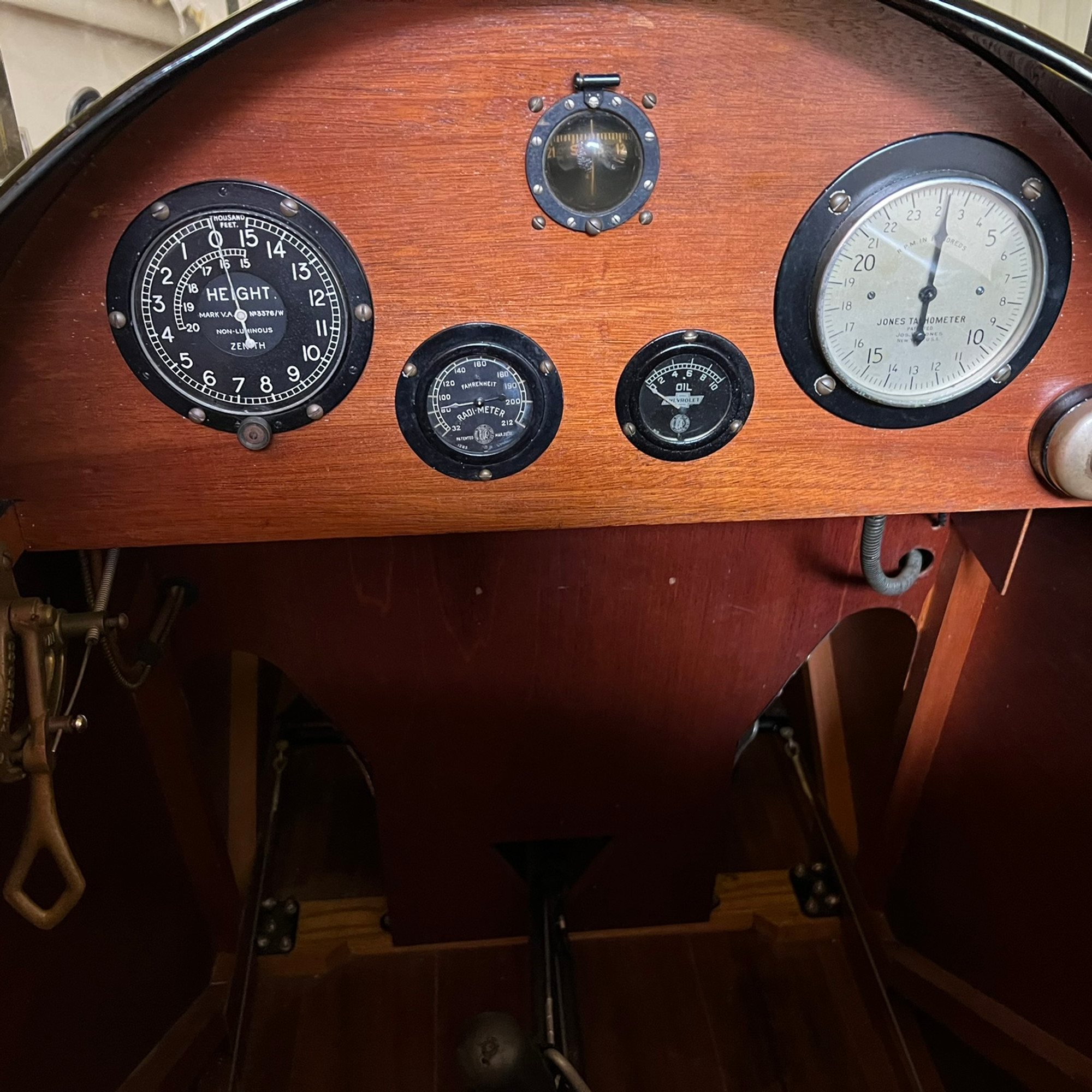
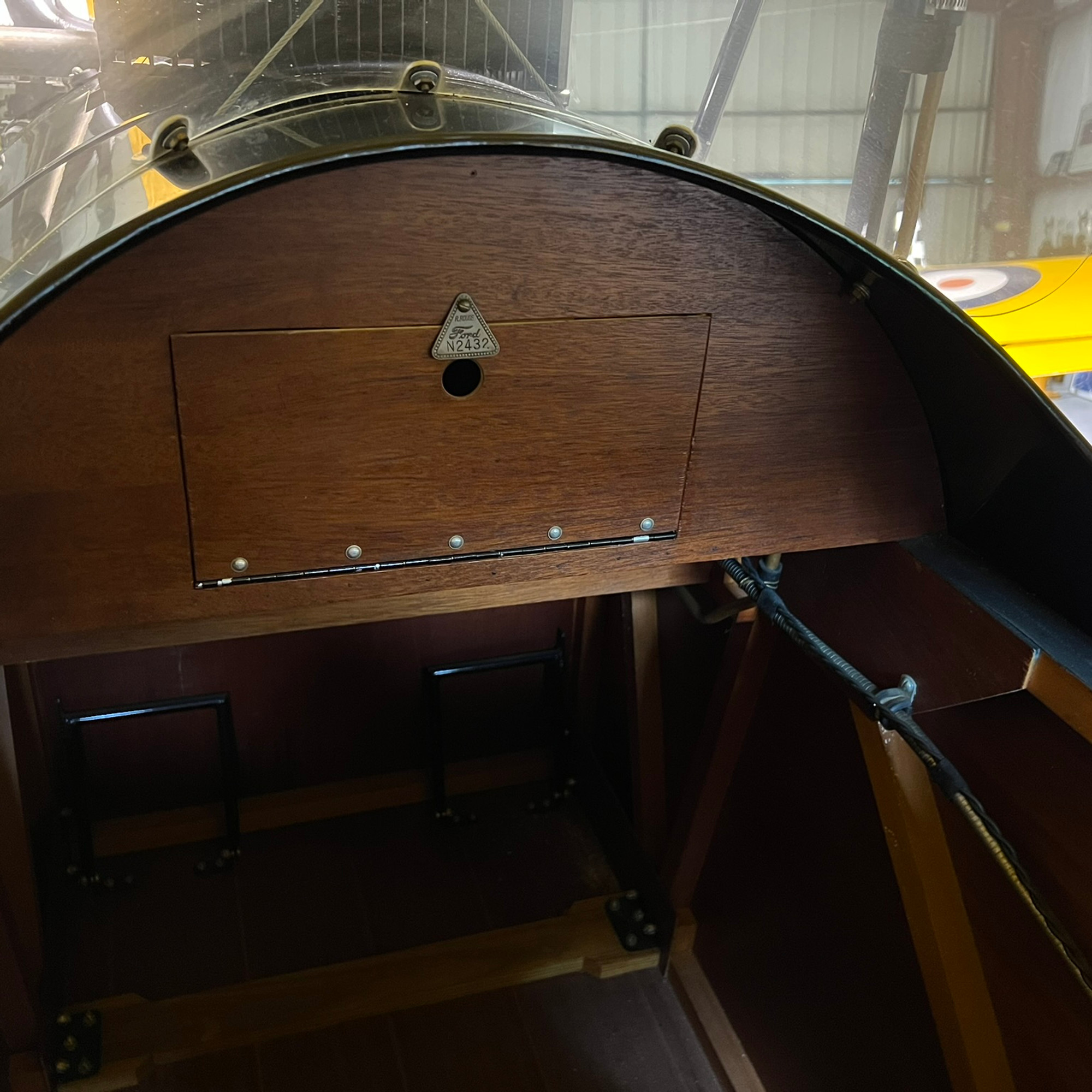
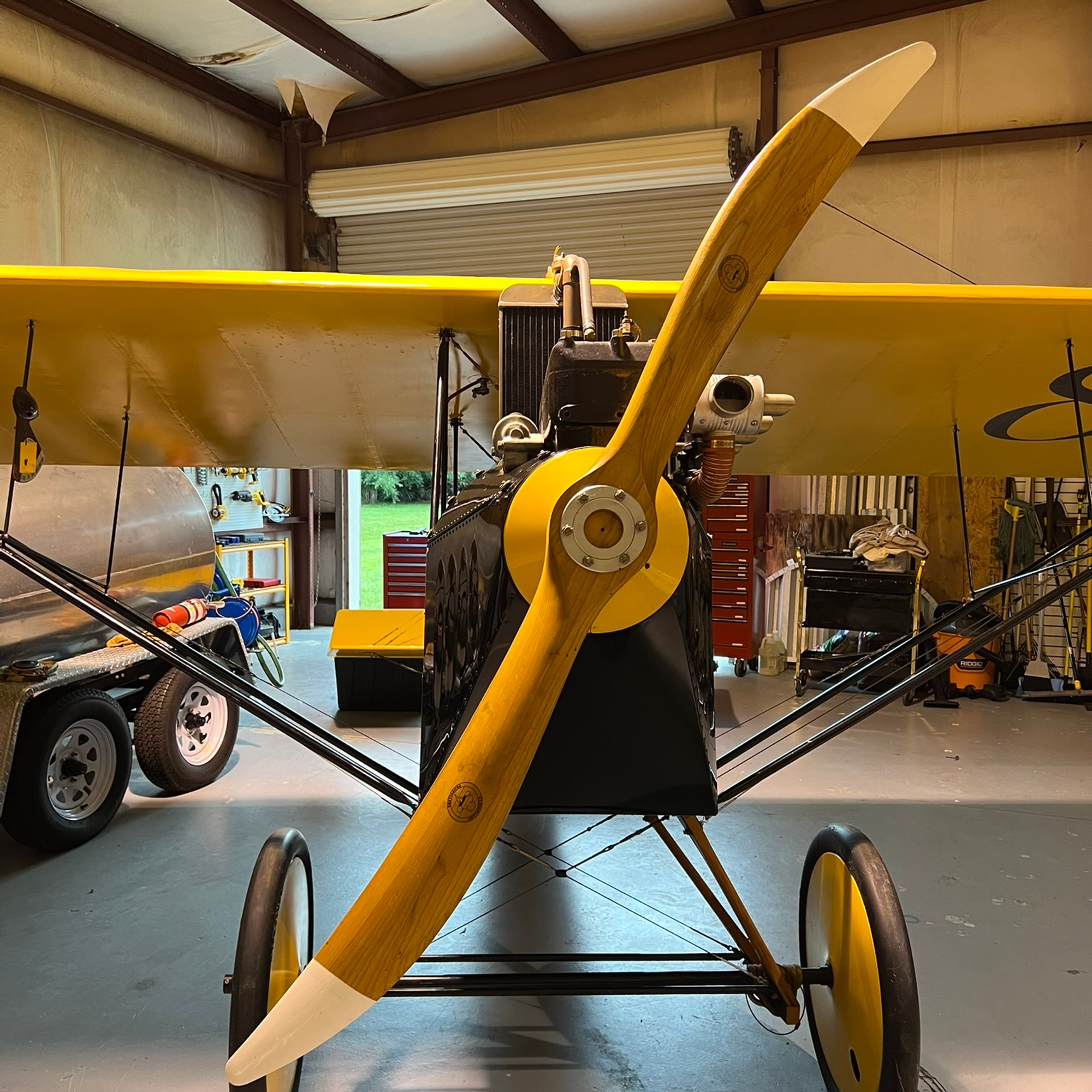
So, that’s what he did. And in doing so, Gene has created perhaps the most faithful replica of Bernard Pietenpol’s original Air Camper in existence. As you look at his masterpiece you’ll note careful attention to detail like the wrapped and soldered control cables, done the harder, more consuming way from the past instead of an easy-to-use clamp from the hardware store. The instrument board is populated with instruments from the period and, like Pietenpol’s, the propeller is hand carved.
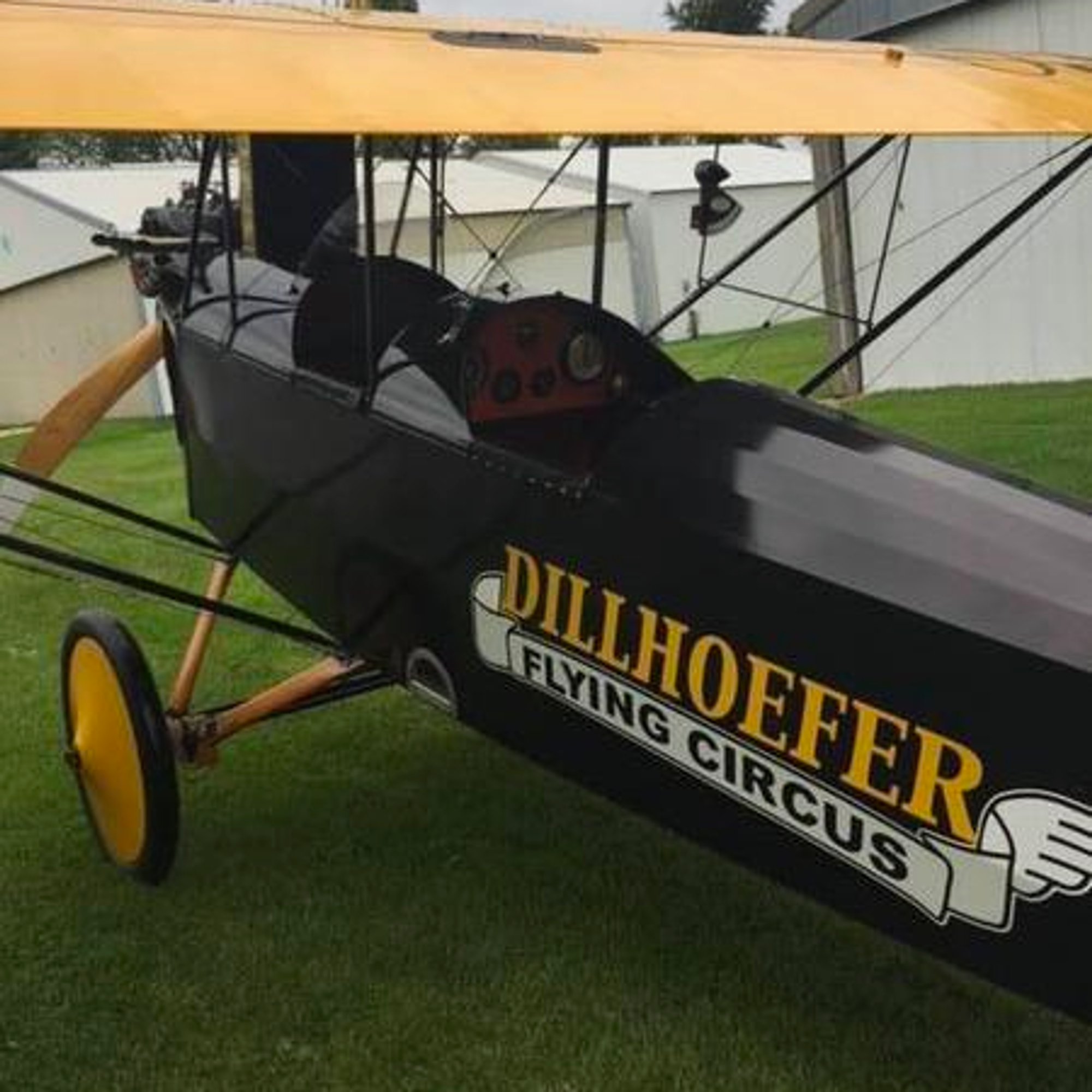
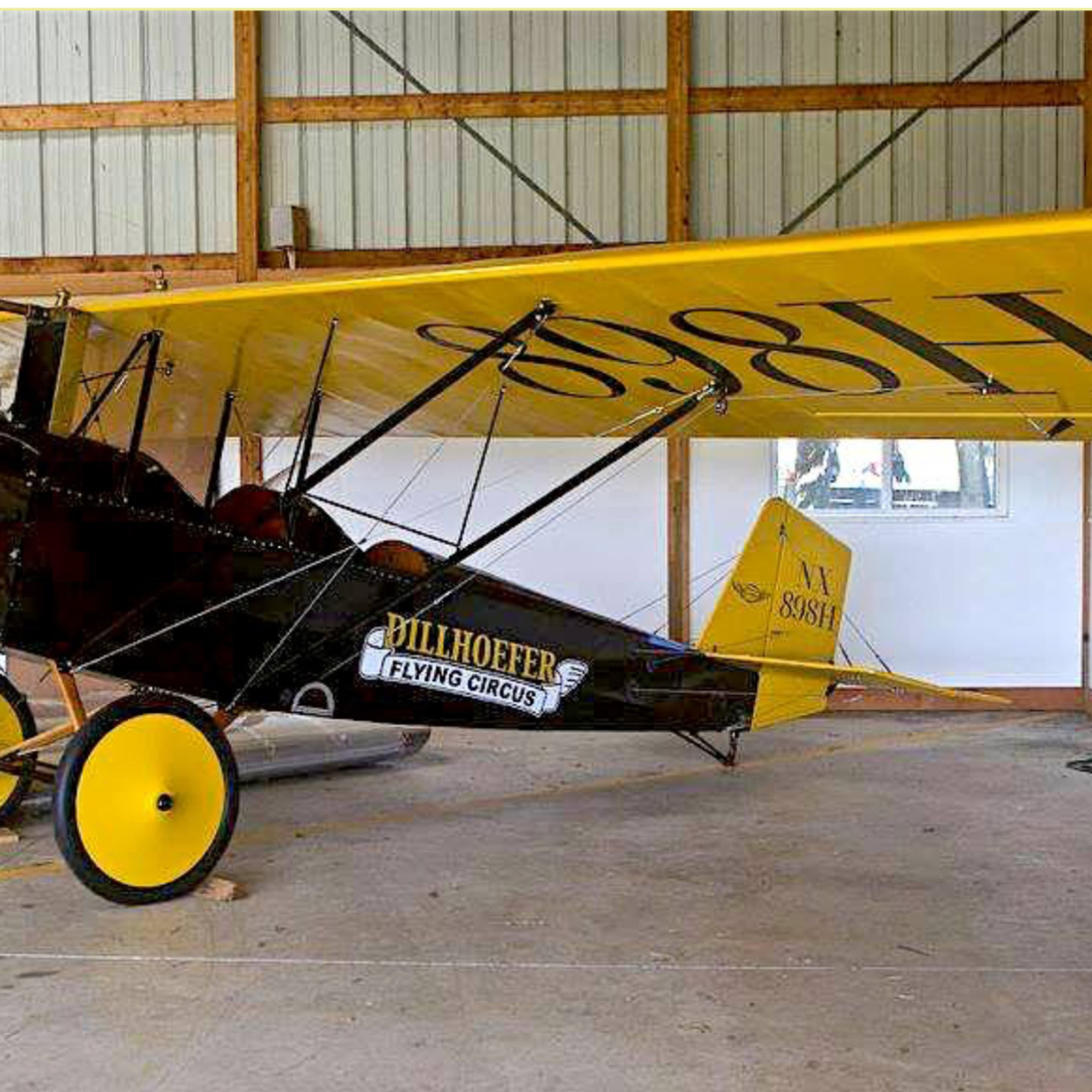
A pretty plane, in yellow and black, “Dillhoefer Flying Service” is emblazoned on the fuselage proving that Gene has a sense of humor, as well as a flair for history. Doc Dillhoefer is a character, and his flying service a fictional company, in the movie “The Great Waldo Pepper”. A similar humor is shared by the Collection’s own Rob Lock who has named his business “Waldo Wright’s Flying Service” and is known to his friends as “Waldo”.
Many Piets have small modern wheels, steel tube landing gear, a tailwheel, and brakes. Ours does not. It features a skid which drags the ground for braking and large skinny wheels for bumping over farmer’s fields instead of runways. It takes a village, or at least a couple of friends, to fly it because there is no engine starter and the motor must be hand propped. It’s almost impossible to turn it on the ground and so someone to lift the tail to change directions is most helpful. It’s small, slow and not particularly comfortable. But it’s the kind of plane that fires the imagination, involves a community and is fun to fly. Just like airplanes are supposed to be.
The People’s Plane

A computer rendering made from reference photos, not footage of the airplane
Drawn from reference photos
From every angle
See the 1931 Pietenpol Air Camper in person
The Collection is open Tuesday–Friday 10am–4:30pm and Saturday 10am–2pm, free admission. You can see this aircraft up close in Hangar 3, where the same shop that maintains and restores the whole Collection works on site. It's part of our flying fleet. On flying days it may be out on the line.
Follow the Collection on Facebook, Instagram and YouTube ↗ for new acquisitions, restoration progress, and flying days.
You might also like

Fairchild KR-21
A hands-on classic featuring a Kinner B-5 radial — the third Fairchild in the Collection, headed to Oshkosh for the 100th Anniversary Celebration.
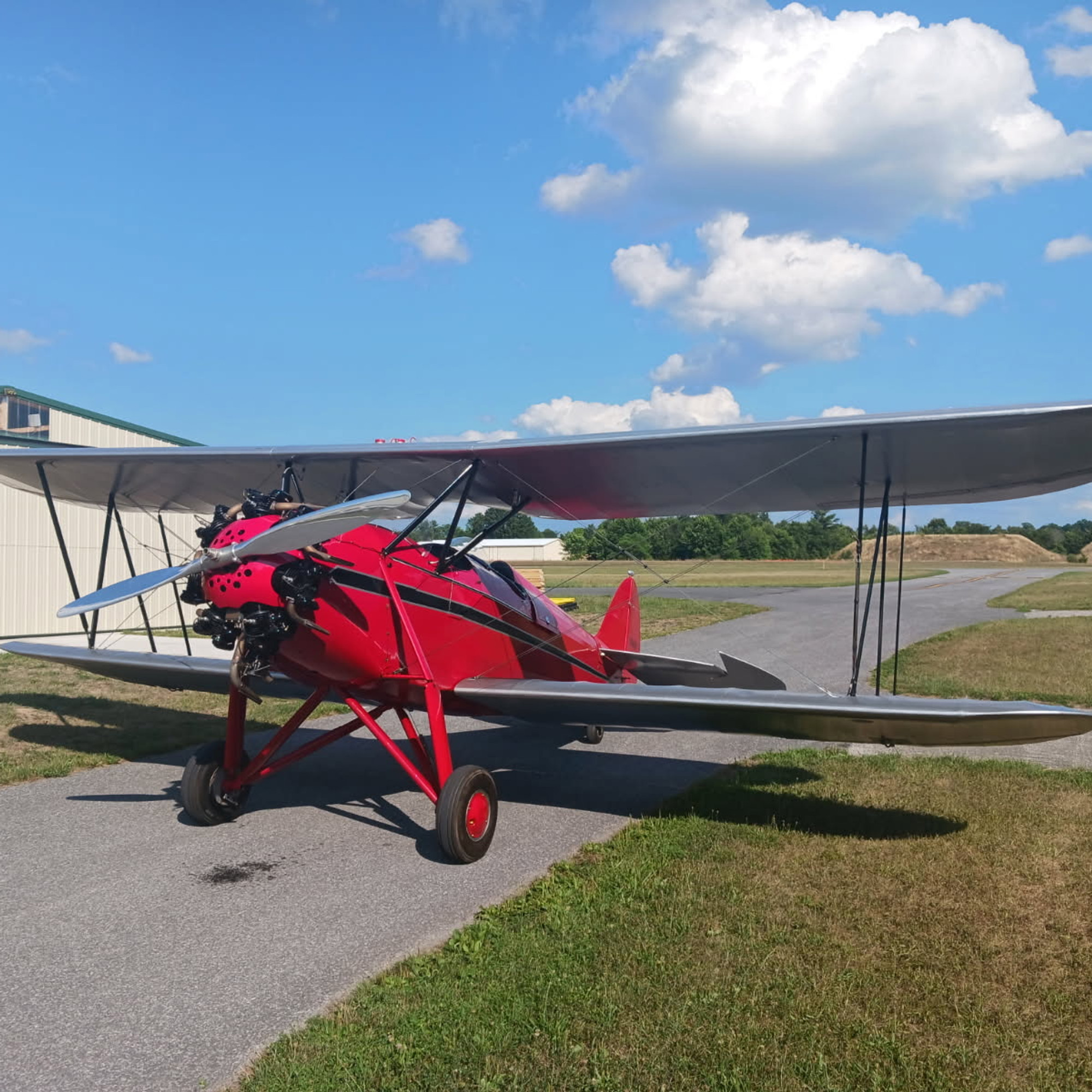
Great Lakes 2T-1A
Serial 83, built in Cleveland in June 1930 and believed to be the oldest Great Lakes still flying — fifty years in one Iowa family before it came to the Collection.

Waco RNF
The 86th Waco model produced and one of the first F-series biplanes. Originally powered by a 125 hp Warner Scarab, now upgraded to a 145 hp Warner Super Scarab.