
The Collection
Flying, restored, and in-restoration aircraft from aviation's golden age.
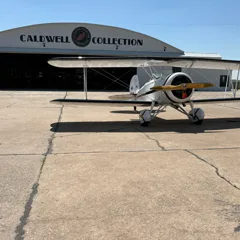
The Caldwell Collection at Mustang Field now includes aircraft from Dream Wacos, other private collections, and Caldwell-Collection–owned aircraft that represent significant chapters in aviation history — from 1920s barnstormers to WWII primary trainers.
1928
Stearman C3MB
One of fewer than 15 mail planes built from 179 C3 models — the only known mail plane variant still flying.
Browse the Full Collection
Every aircraft in the Collection flies, is capable of flight, or is in restoration. Search, filter, or start with one of the paths below.

Stearman C3MB
One of fewer than 15 mail planes built from 179 C3 models — the only known mail plane variant still flying.

Fleet Model 1
Originally delivered to stunt pilot Paul Mantz, this Fleet Model 1 was grounded in 1966 and restored over 31 years before joining the Collection in 2024.

Lincoln-Page PTW
One of only five PT models built with a Warner Scarab engine — a remarkable time capsule still with its original motor from 1929.

Travel Air B-4000
Originally purchased by the Department of Commerce to map airways, restored over three decades by Howard Clark and Rob Lock.

Waco CSO
A memorial to Dave and Jeanne Allen — master restorers whose unfinished CSO project is being completed as a tribute to their legacy.

Fairchild KR-21
A hands-on classic featuring a Kinner B-5 radial — the third Fairchild in the Collection, headed to Oshkosh for the 100th Anniversary Celebration.
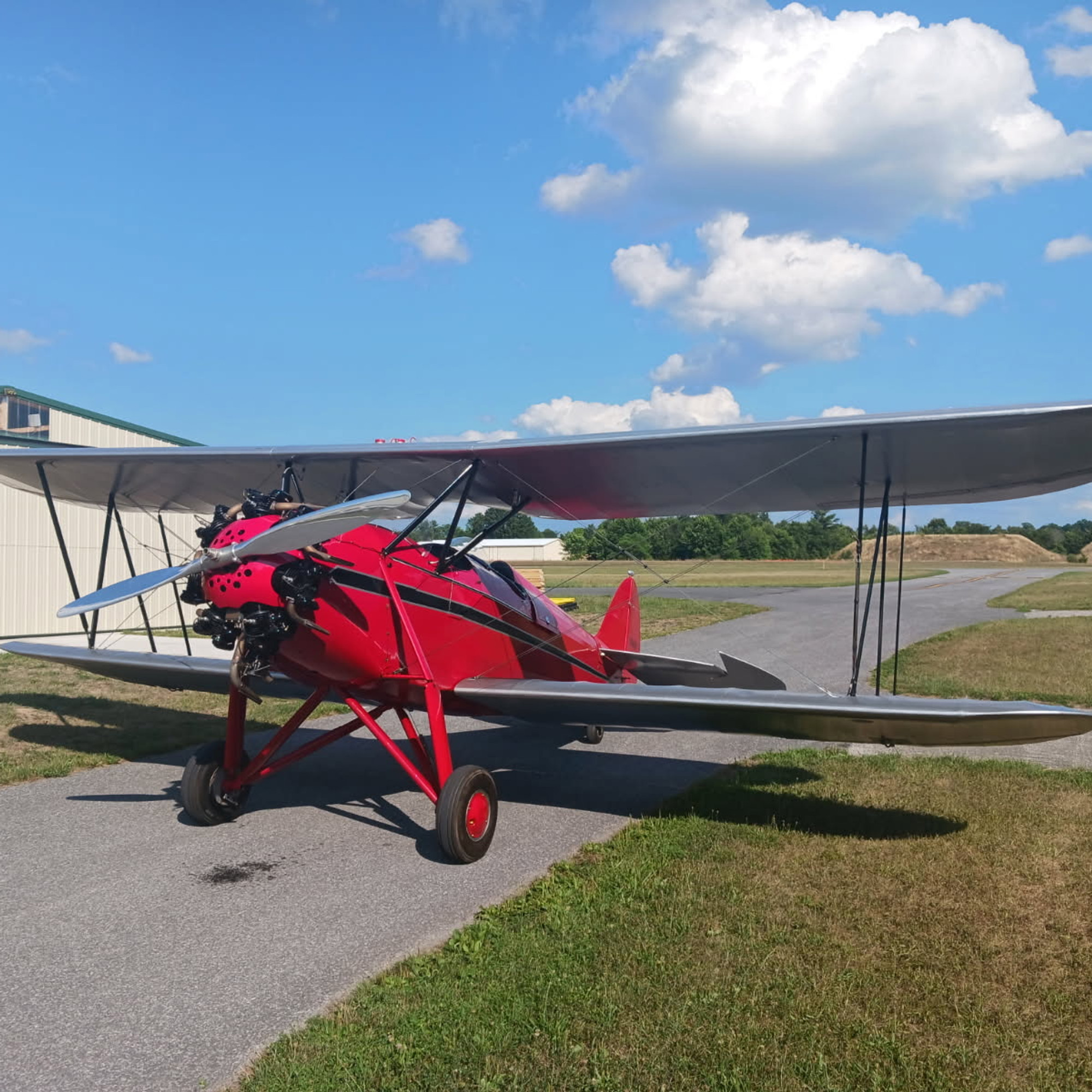
Great Lakes 2T-1A
Serial 83, built in Cleveland in June 1930 and believed to be the oldest Great Lakes still flying — fifty years in one Iowa family before it came to the Collection.

Waco RNF
The 86th Waco model produced and one of the first F-series biplanes. Originally powered by a 125 hp Warner Scarab, now upgraded to a 145 hp Warner Super Scarab.

Curtiss Wright Travel Air B-14-R "Speedwing"
The one-of-a-kind "Speedwing" — a fire-breathing racing biplane built for Casey Lambert with a Pratt & Whitney R985.

Pietenpol Air Camper
Built by Gene Rambo as faithful to Bernard Pietenpol's original design as possible — Ford Model A engine, brass radiator, wooden landing gear.

American Eagle Eaglet 230
Edward Porterfield's $995 airplane for the common man — a genuine 1931 Victor Roos build and one of only about nine Eaglets left in America.

Stinson Junior S
Built by Stinson, powered by Lycoming, and first flown by Century Air Lines — three companies owned by one man, E.L. Cord.

Waco UBF-2
Restored from salt-air corrosion by Rob Lock of Waldo Wright's Flying Service. Leaps off the ground in under 200 feet.

Fairchild C8A
One of 25 built with the Warner 125 engine — a rugged four-place cabin monoplane sharing parts with the Collection's Lincoln-Page.

Waco UMF-3
Smooth-handling with a Continental W670 and 96-inch Hamilton Standard propeller. Embodies Waco's slogan: "Ask Any Pilot."

Waco YMF-5
A legacy restoration in progress — new wings by Scott Shue, all-new sheet metal, and a freshly overhauled Jacobs radial.

Aeronca C-3
The iconic 'flying bathtub' — one of the first commercially viable light airplanes, now modified with a Continental A-65 engine.

Monocoupe 90A
Originally a Lambert 90 hp, now upgraded to a 145 hp Warner Super Scarab with an Aeromatic auto-adjusting propeller.

Porterfield 35-70
One of the inexpensive Depression-era lightplanes, powered by a LeBlond 5DF radial — one of the last "greaser" motors with manual rocker greasing.

Waco YKS-6
A cabin-class Waco reborn through five restorations, now with a freshly overhauled Jacobs R755B2 replacing the original Jacobs L4.

Waco ZPF-6
The fastest of the Waco F-series — Jacobs L-5 powered with extra fuel tanks, electrically heated pitot, and a single front cockpit seat.
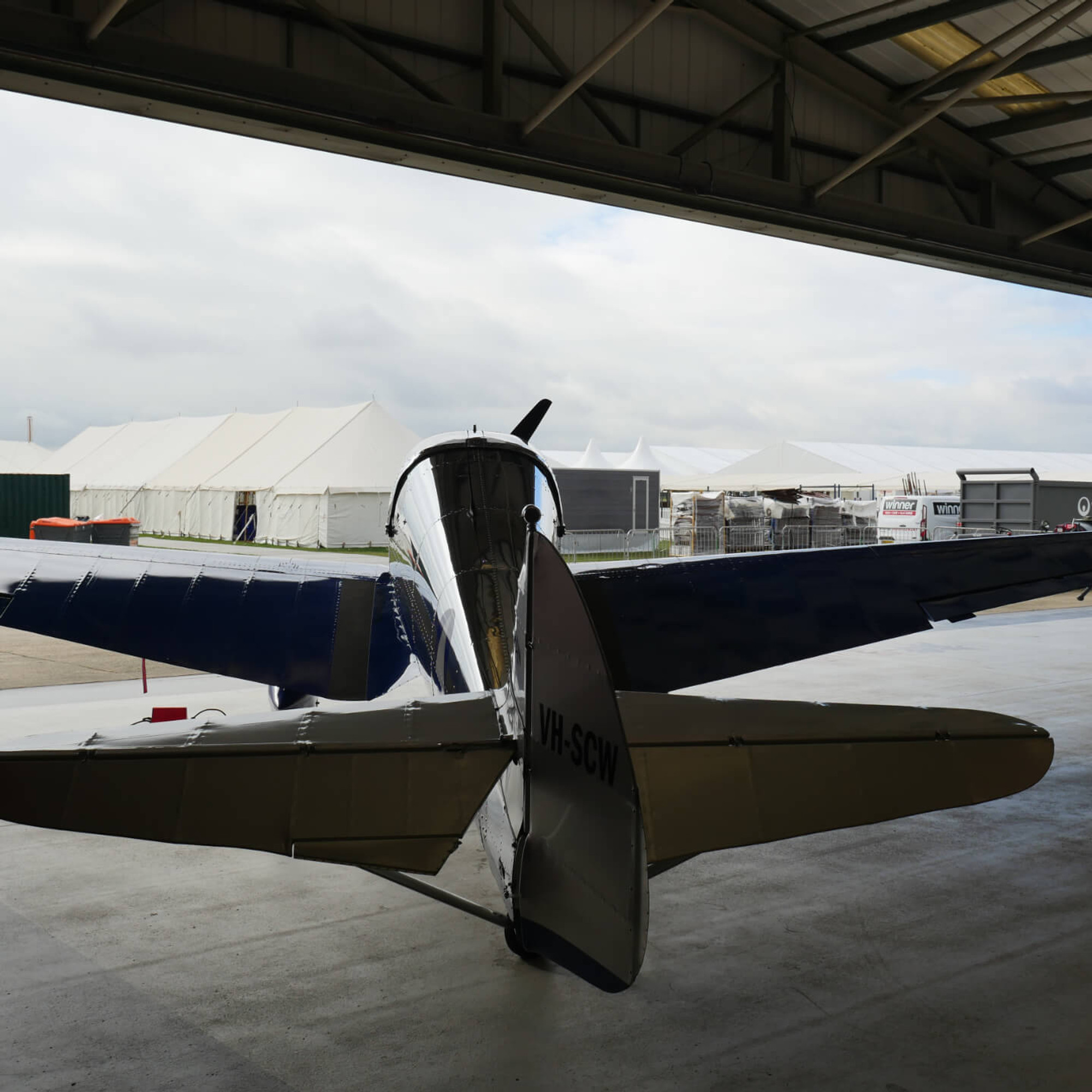
Ryan SCW-145
One of twelve SCW-145s built at Lindbergh Field, first owned by Jerry Sass — co-founder of the Oklahoma Air College that built Mustang Field. The airplane came home to the hangar its first owner helped build.

Luscombe Model 8A
Don Luscombe built his airplane out of polished aluminum while the industry was still stitching fabric over steel tube — the prototype of the modern light airplane, a decade early.

Culver Cadet
Serial #117 — a streamlined retractable-gear monoplane, restored by Keith Unzicker over seven years. Burns just 4 gallons per hour.

Waco UPF-7
The classic Waco open-cockpit trainer — graceful lines and predictable flight characteristics that convert skeptics into fans.

Waco UPF-7
NC32071 — a champion of craftsmanship, this second UPF-7 carries its own distinct service history.

Waco ZPF-7
A Jacobs R755B2-powered UPF-7 variant with constant-speed prop, restored by Rare Aircraft in stunning green and cream livery.

Fairchild PT-19
Originally built as a PT-23A, meticulously restored after a tree grew through the cockpit — over 16,000 hours of restoration work.

Stearman PT-17
Award-winning restoration by Rob Lock of Waldo Wright's Flying Service, wearing Navy flight training striping.

Cessna 120
A postwar taildragger — simple, affordable, and still delivering after nearly 80 years of flying.

Rose Rhinehart Parrakeet
Still wearing its original 1972 Irish Linen covering. Powered by a Continental O-200 with Excello fuel injection.
No aircraft match those filters.
The collection by year
Every aircraft placed on the year it was built, alongside what was happening in American aviation.
- 1928
- 1929
October: the stock market crashes. Orders for new aircraft collapse within months.
- 1930
- 1931
- 1933
- 1934
- 1935
- 1936
- 1938
The Civil Aeronautics Act creates the CAA to regulate American flying.
- 1939
The Civilian Pilot Training Program begins teaching college students to fly.
- 1940
- 1941
December: the United States enters World War II.
- 1942
- After 1942Later
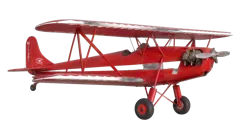
Compare two aircraft
| Specification | ||
|---|---|---|
| Built | ||
| Engine | ||
| Horsepower | ||
| Wingspan | ||
| Cruise | ||
| Status |
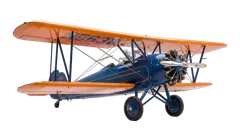
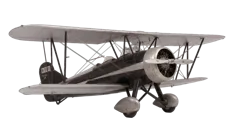
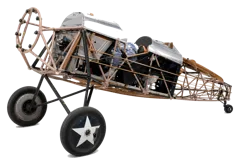
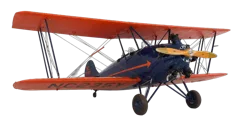
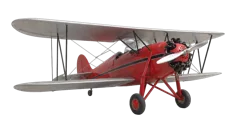
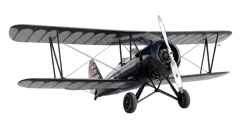
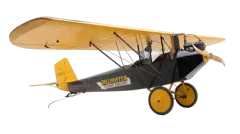
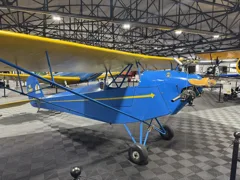
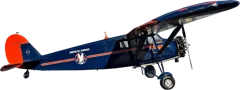
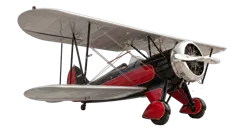
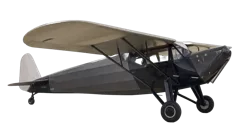
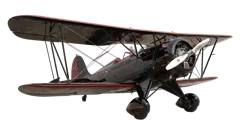
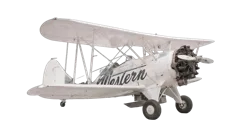
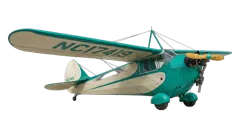
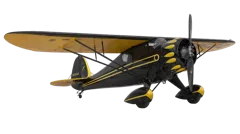
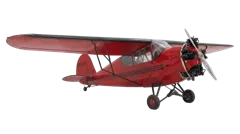
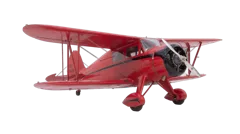
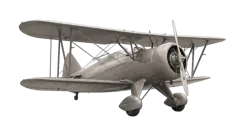
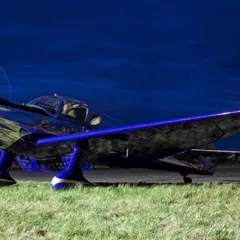
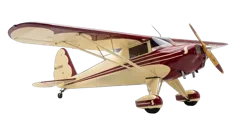
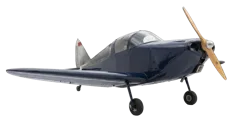
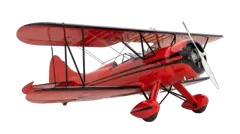
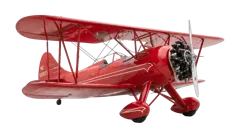
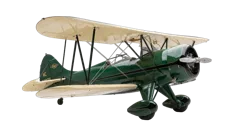
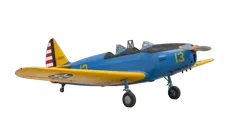
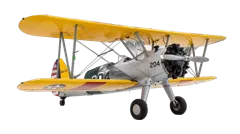
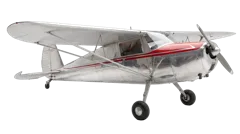
Pictures are drawn to each aircraft’s wingspan. They are three-quarter views, so scale is approximate.