Visit Collection Our Story Restoration Shop Events Donate Loan an Aircraft Volunteer Blog & News Waldo Wright's Flying Service Resources Plan Your Visit
WALDO WRIGHT'S FLYING SERVICE

The Restoration Shop

Where aircraft come back to life — and history is preserved in every rivet.

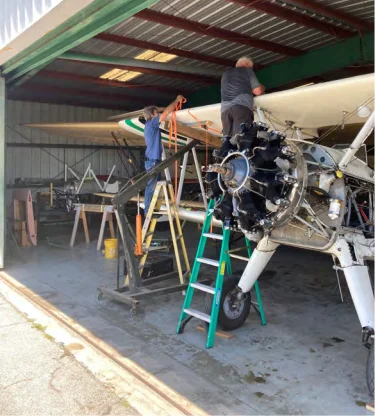
Restoration work inside Hangar 3
Active Workshop
RESTORATION SHOP

Waldo Wright's Flying Service

Period-correct aircraft restoration, done by hand.

In most museums the restoration work happens out of sight. Here you get to watch it: historic aircraft rebuilt by hand to flying condition, right on the hangar floor, while you visit.

Waldo Wright's Flying Service operates the Collection's dedicated restoration shop inside Hangar 3. Every aircraft in the Collection passes through this shop at some point — for restoration, annual inspection, or overhaul. The work is period-correct and done by hand.

Visitors are welcome to watch the work during open hours. If you're lucky, you'll catch a test run or a first flight.

8
Active Restoration Projects
30+
Years Experience
100%
Period-Correct Methods
Restoration Inquiries →

Services: pre-buy inspections · annual inspections · full frame-up restorations · maintenance of the Collection’s fleet.

Operated ByWaldo Wright's Flying Service ↗

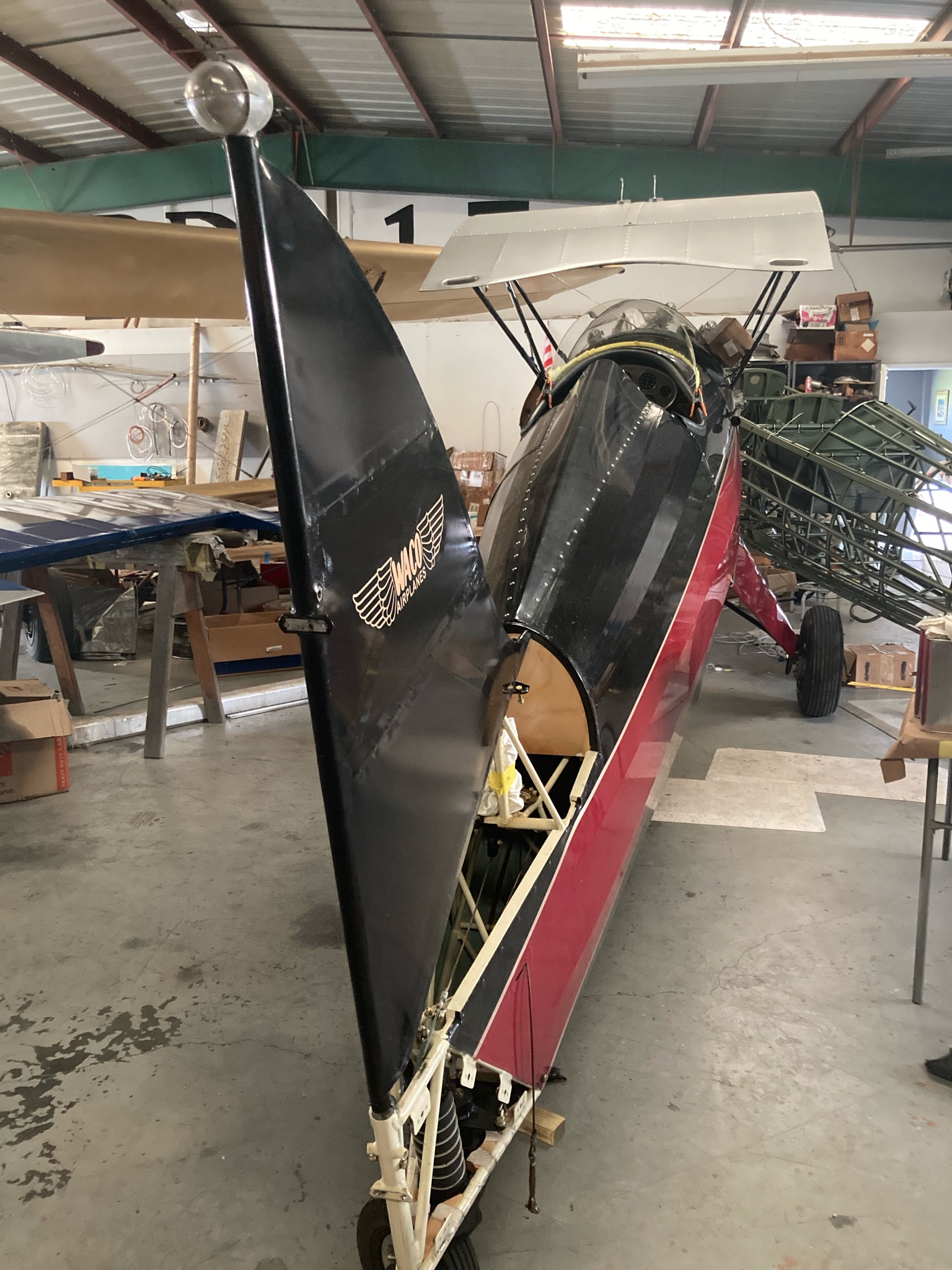
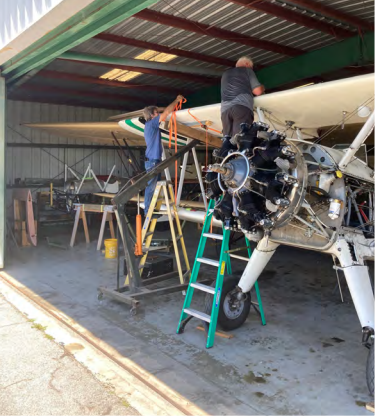
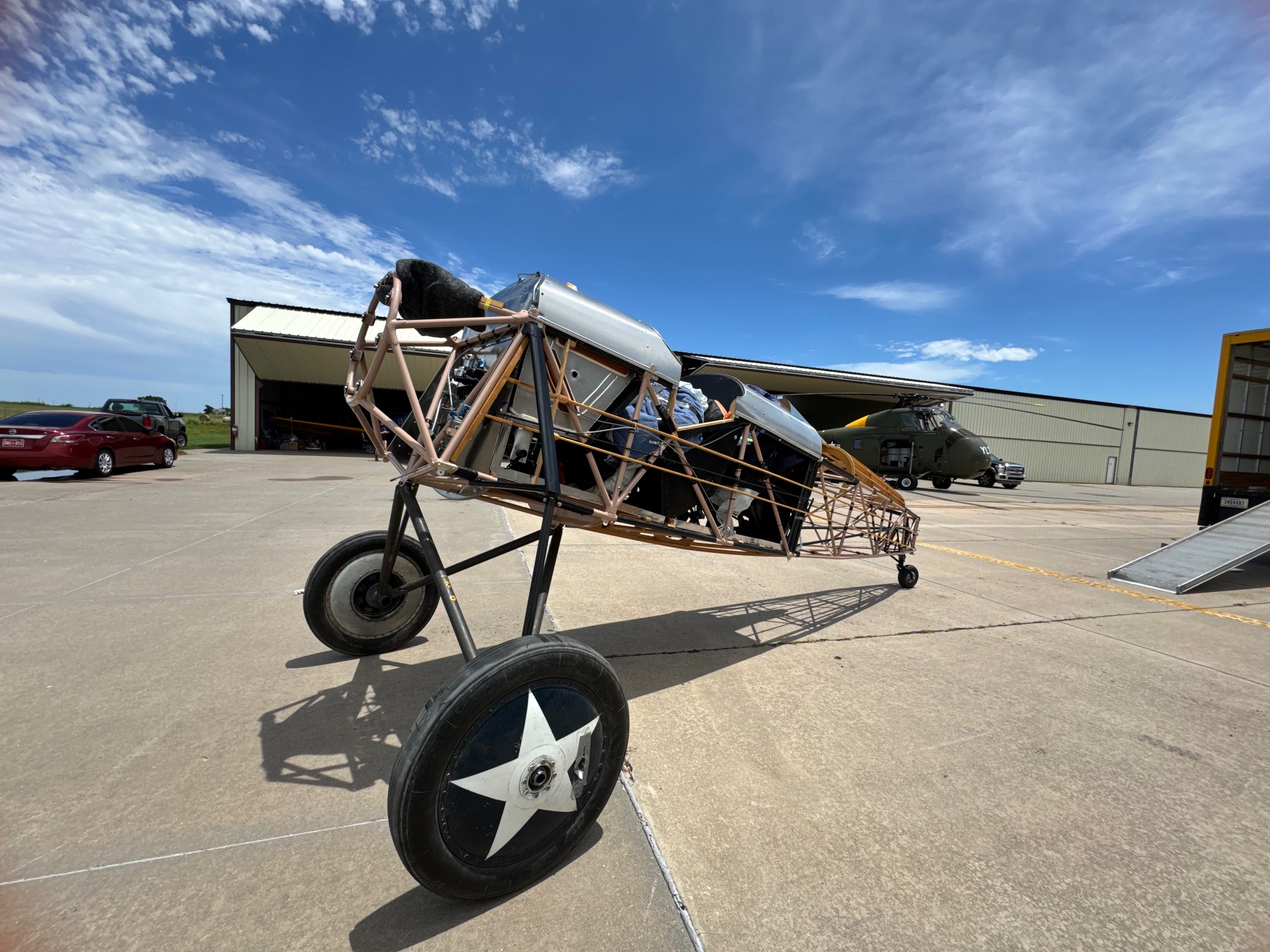
Waco fabric recovering Stearman restoration in progress Airframe on jigs
IN THE SHOP

Currently in the Shop

The Collection has eight active restoration projects, some in this shop and some in specialist shops around the country. Here are ones you may see during your visit.

THE PROCESS

How We Restore

A typical restoration takes anywhere from one to several years. The goal is always the same — a flying aircraft, true to its original configuration, built to last.

Assessment
Every restoration begins with a detailed inspection — logbooks, structural integrity, engine condition, and historical significance all inform the plan.
Disassembly
The aircraft is carefully taken apart. Components are cataloged, photographed, and evaluated for repair or replacement.
Disassembly step
Structural Repair
Wood, steel tube, and metal structures are rebuilt using period-correct techniques and materials. Where possible, original components are retained.
Fabric & Finish
Linen or cotton fabric is applied, doped, and finished in the aircraft's original color scheme. This is painstaking work done entirely by hand.
Fabric & Finish step
Engine & Systems
Radial engines and period accessories are overhauled — or sourced from period-correct donors — and mated back to the restored airframe.
First Flight
After inspections and ground runs, the aircraft returns to the air for the first time in many years — often decades.
First Flight step
ON YOUR VISIT

What you may see on your visit

The hangar is a working shop. Depending on the day, you might catch any of the following in progress.

  • Aircraft on the flight line — Airframes rolled out of the hangar, pre-flighted, and in some cases taking off.
  • Fabric work — Linen being applied, doped, and finished by hand on a wing or fuselage.
  • Engine runs & test flights — Occasional first-starts or test flights of aircraft emerging from restoration.
  • Annual inspections — FAA-required annuals being performed on Collection aircraft.
  • A team member on site — Sharing the stories behind each aircraft and what’s happening in the shop that week.

This is an active working environment. Please follow staff guidance and do not touch tools, equipment, or aircraft unless invited.

HISTORY · THE BUILDING

About Hangar 3

The sections below are archival — the story of the 1943 WWII-era hangar itself, separate from the live restoration work above.

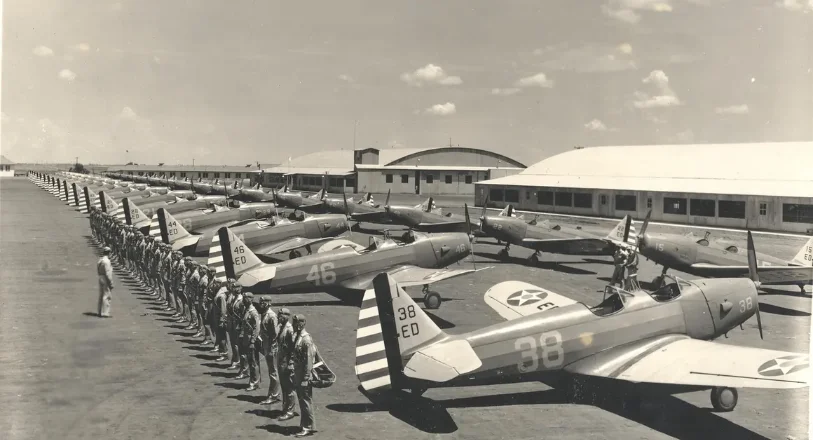
Mustang Field flight line with cadets and trainers, 1943
1943
Mustang Field opens

Cadets and trainers line the ramp at the contract flight school built by Oklahoma Air College.

Hangar 3 before restoration, 2024
2024
Before the rebuild

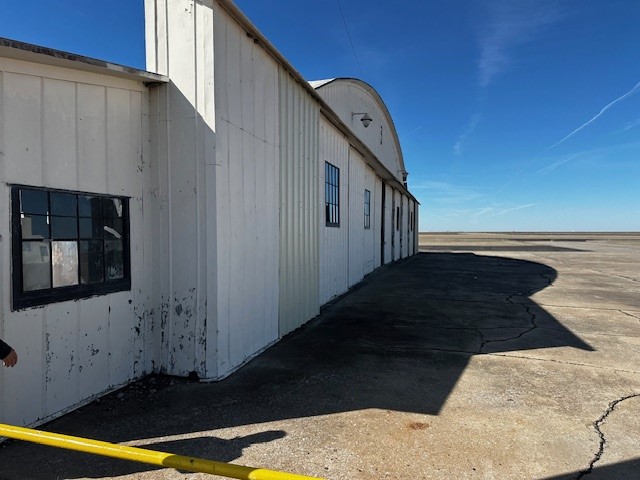
Decades as an aircraft paint shop left Hangar 3 worn down when Tony found it.

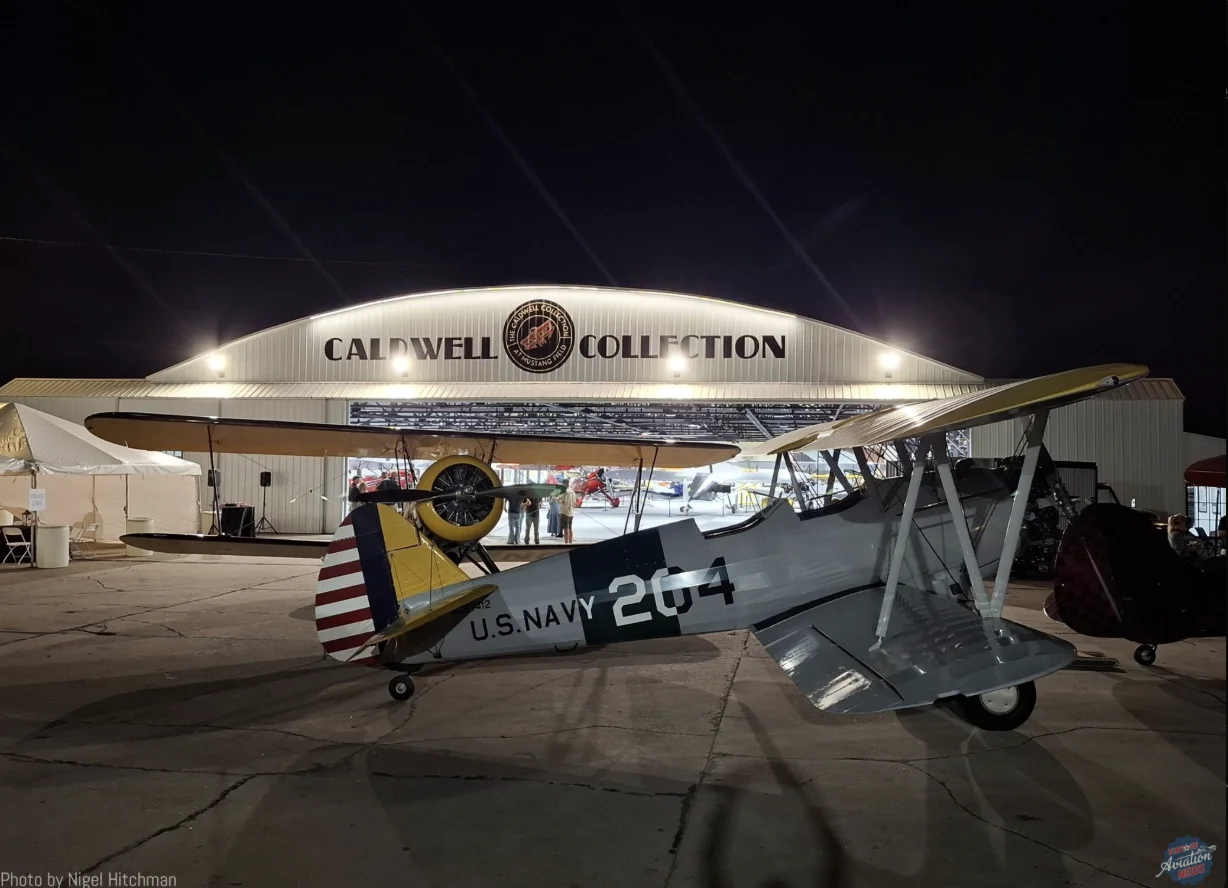
Hangar 3 today at night with a Navy Stearman out front
Today
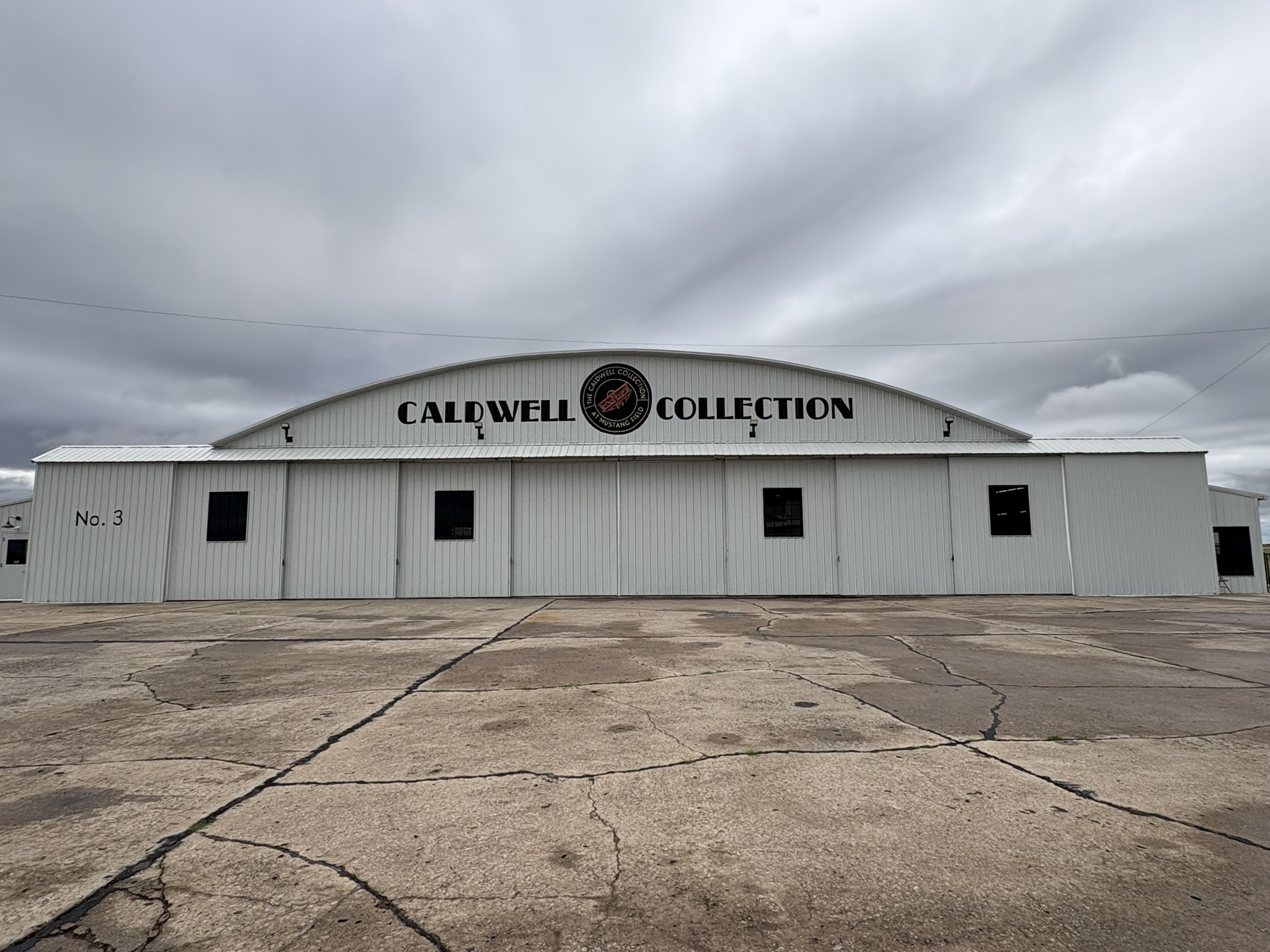
Rebuilt in 2025

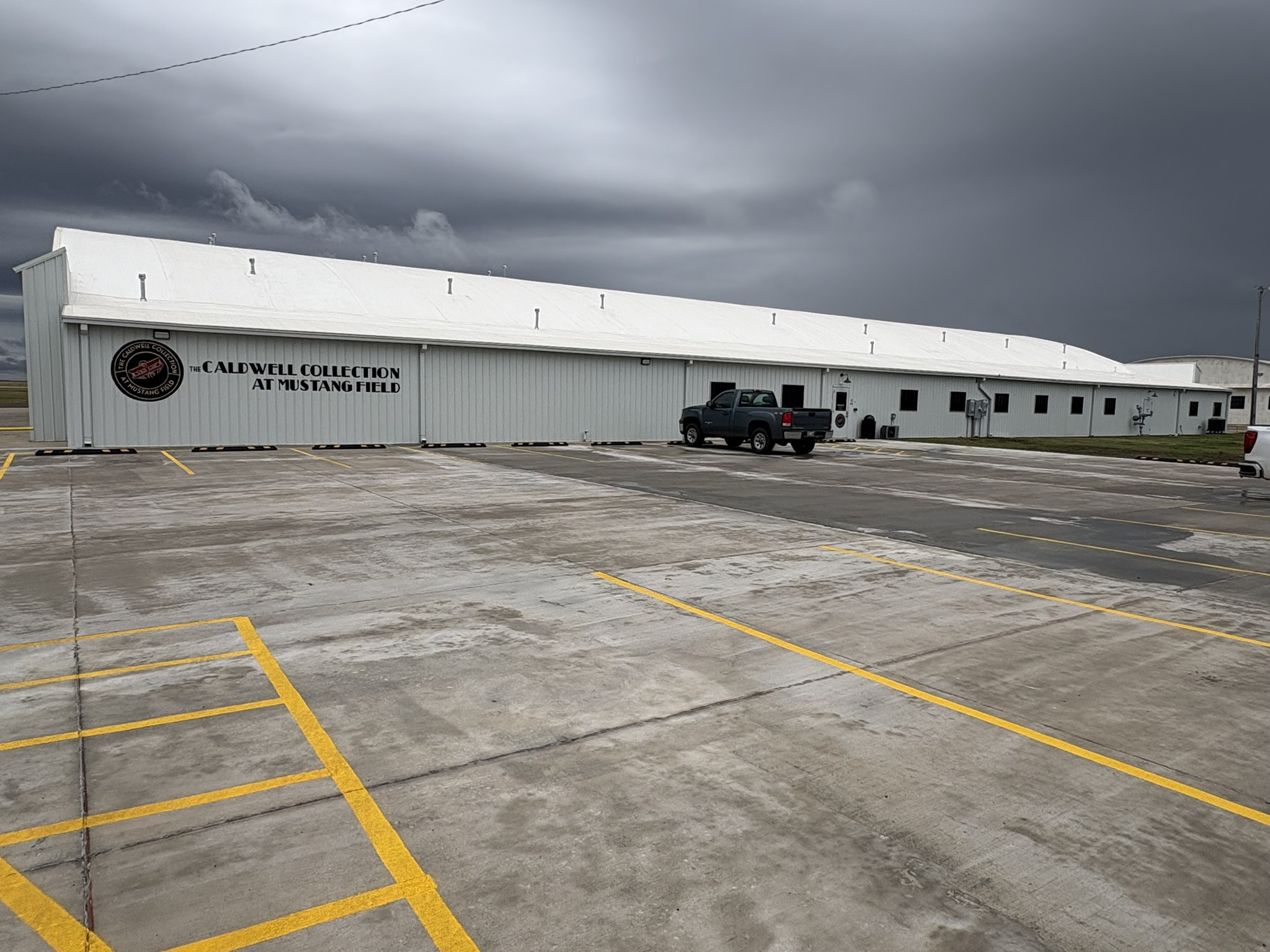
Home to The Caldwell Collection, with a Navy Stearman on the ramp out front.

Photo: Nigel Hitchman
THE HISTORY · MUSTANG FIELD

Then & Now

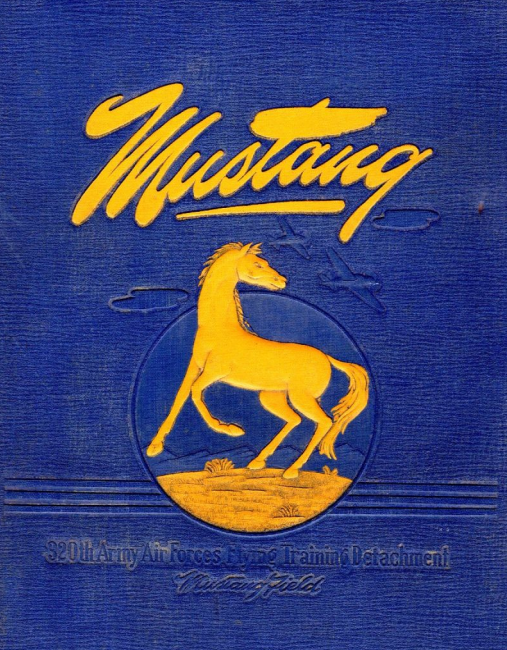
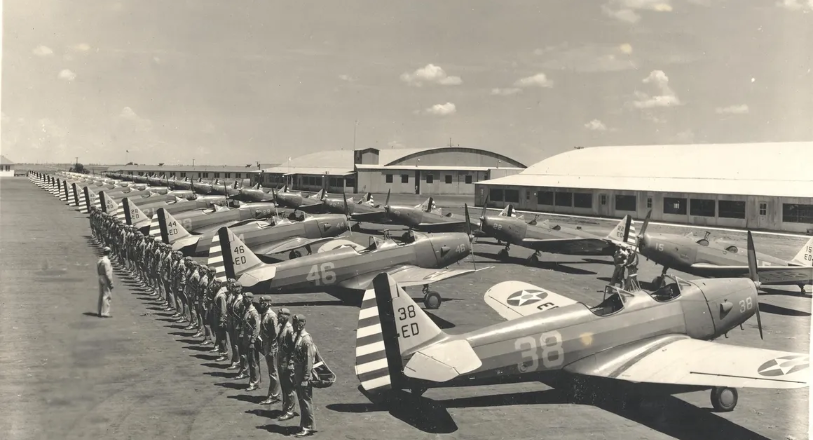
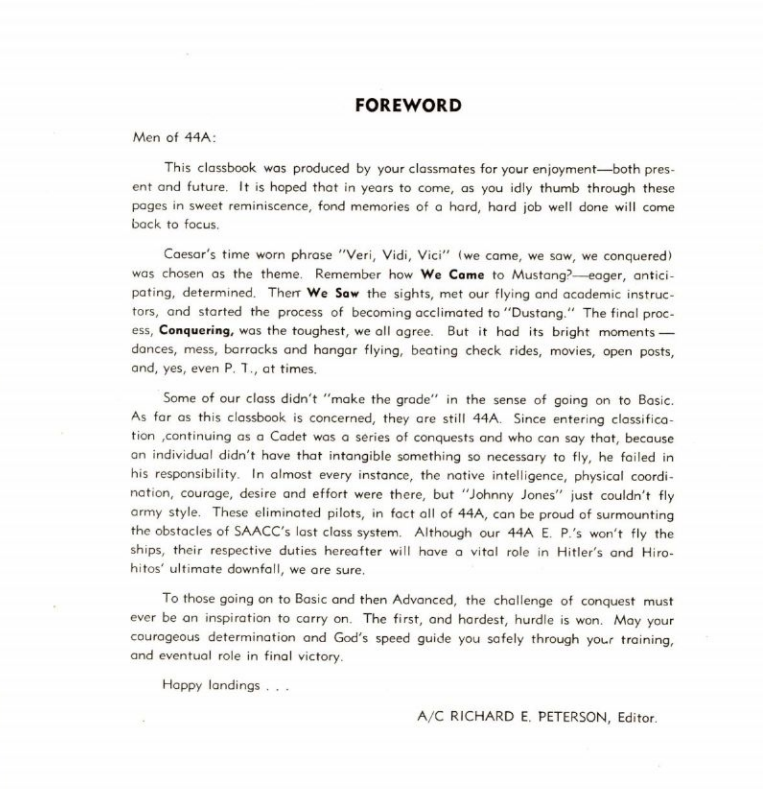
Archival images from Mustang Field during WWII — the training detachment, the field lined with planes, and documents from the era.

Research in progress — dusting off the archives. More photos and stories coming soon.

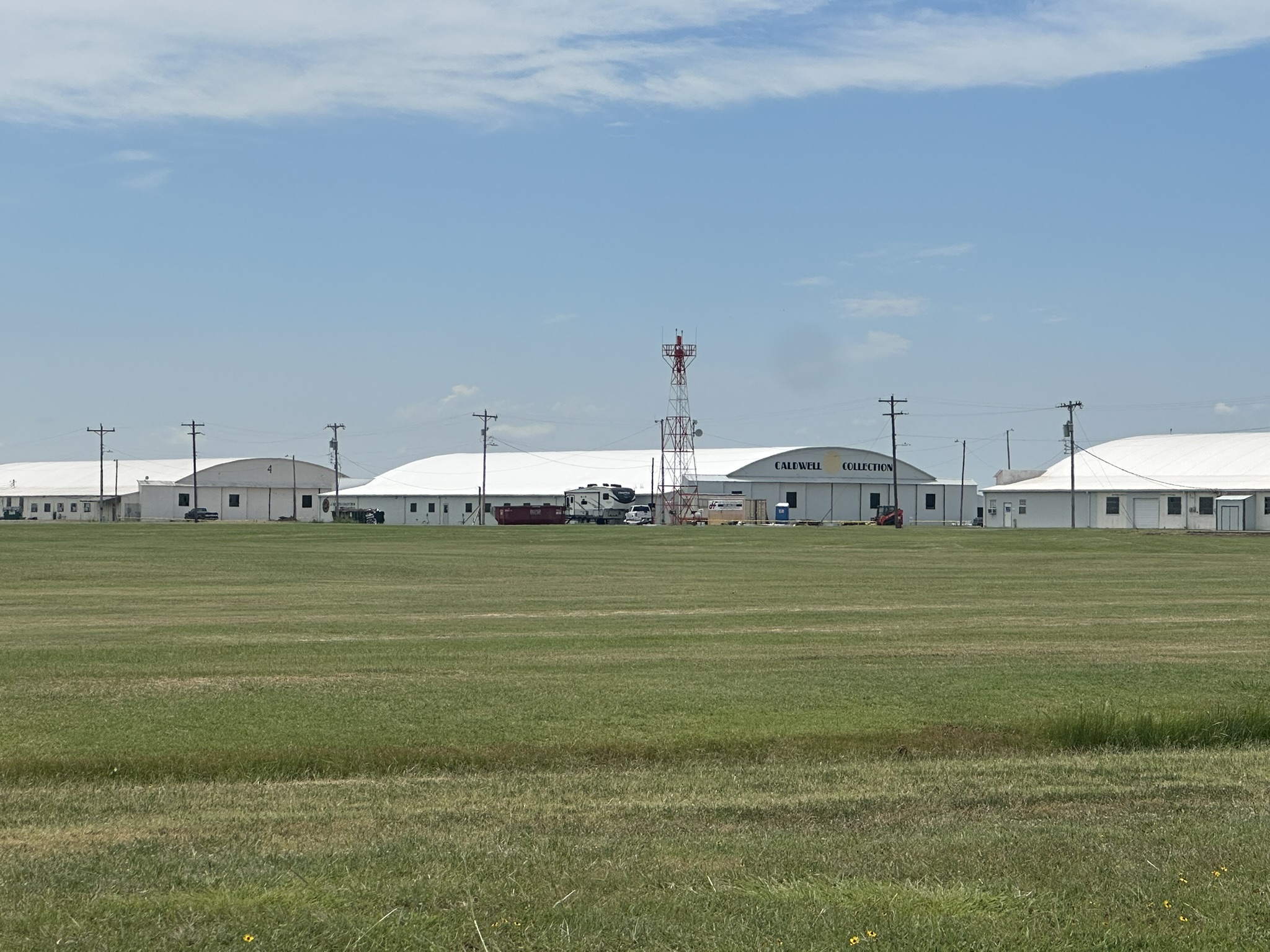
At the heart of The Caldwell Collection at Mustang Field stands a structure as rich in history as the aircraft it houses — a 30,000-square-foot WWII-era hangar. Once an essential part of Mustang Field, a training base for American pilots during World War II, this historic hangar played a role in preparing aviators for combat and shaping the future of military aviation.

Built in 1943, this hangar was part of a bustling airfield where young cadets trained in models displayed around the museum today, learning the fundamentals of flight. These very walls echoed with the sounds of roaring engines, hurried footsteps, and the unwavering determination of those who would go on to serve in the skies.

After the war, Mustang Field became what is now El Reno Regional Airport. The hangar stayed, but decades of weather wore it down, and it came close to being lost.

Thanks to a collaborative effort between the City of El Reno and The Caldwell Collection at Mustang Field, this hangar was carefully restored to honor its original design while adapting it for a new purpose. The renovation, led by David French of D.H. French Construction, with building designer Dan Welle of Welle & Company and interior design by Andrea Edwards, LID, IIDA, NCIDQ of CRPDesign, brought this historic structure back to life with:

  • Structural Reinforcement — Ensuring the building remains strong for future generations.
  • Authentic Restoration — Preserving its wartime-era architecture while incorporating modern amenities.
  • Museum — Transforming the hangar into a shared space to celebrate aviation history and restoration shop, complete with close-up exhibits and live aircraft restoration.

Today the hangar holds the Collection and a restoration shop, with room to display a couple of dozen aircraft at a time, rotated from our storage hangar until the new Hangar 1 buildings open in early 2028. It is a place for pilots, history buffs, and El Reno neighbors to gather, in the building where cadets once trained.

HANGAR 3 · BUILDING RENOVATION

Restoring the hangar itself

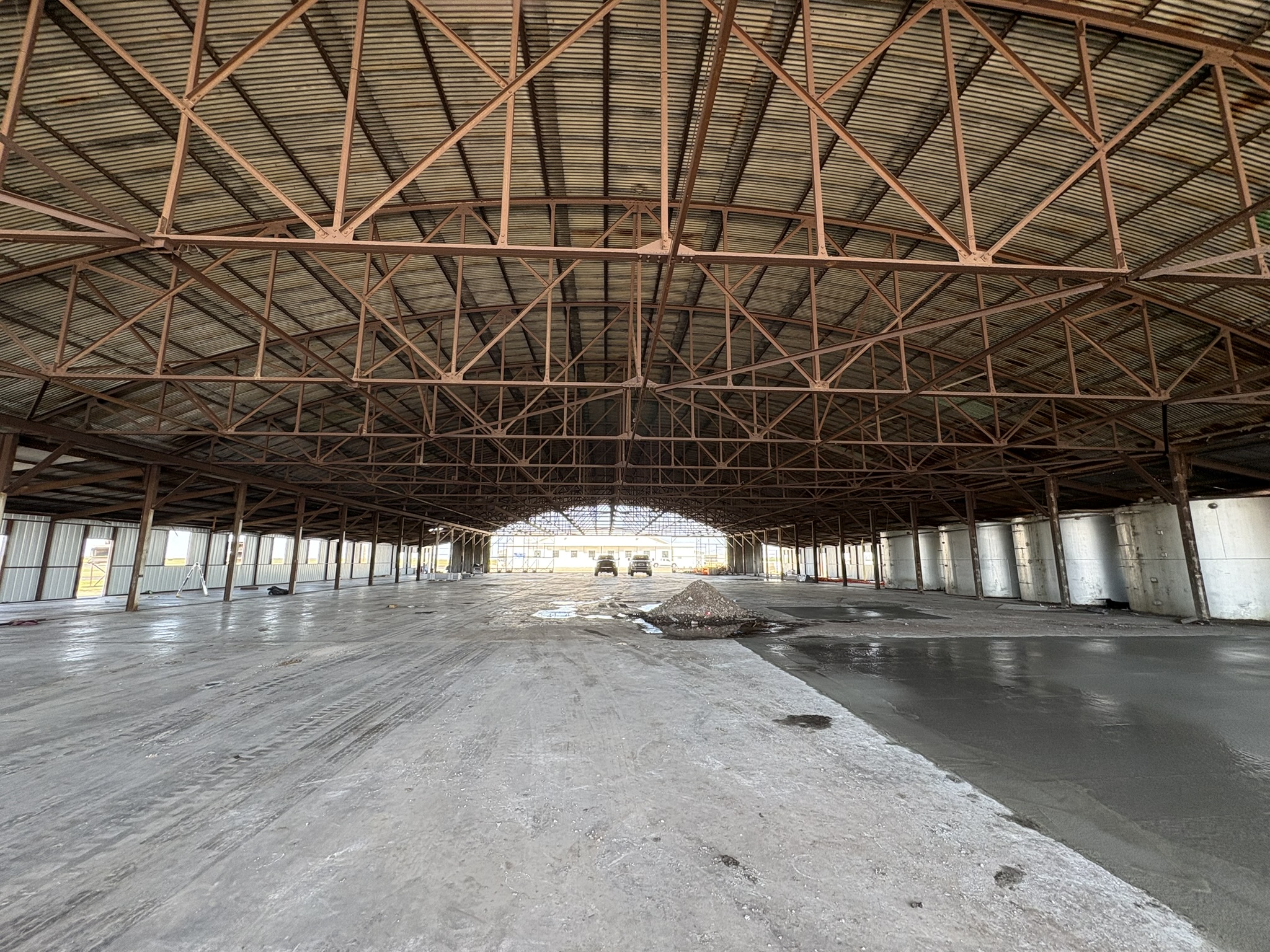
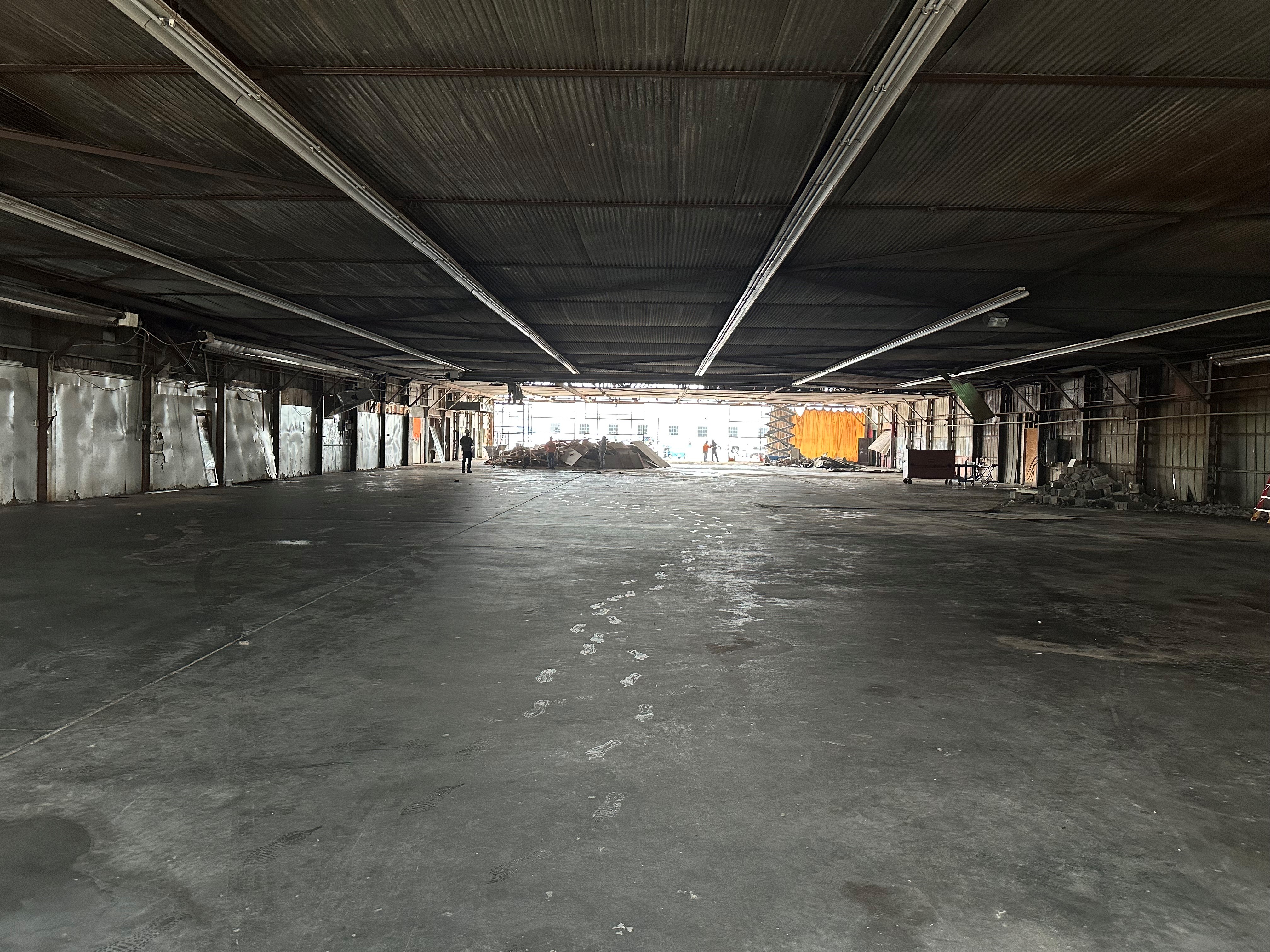
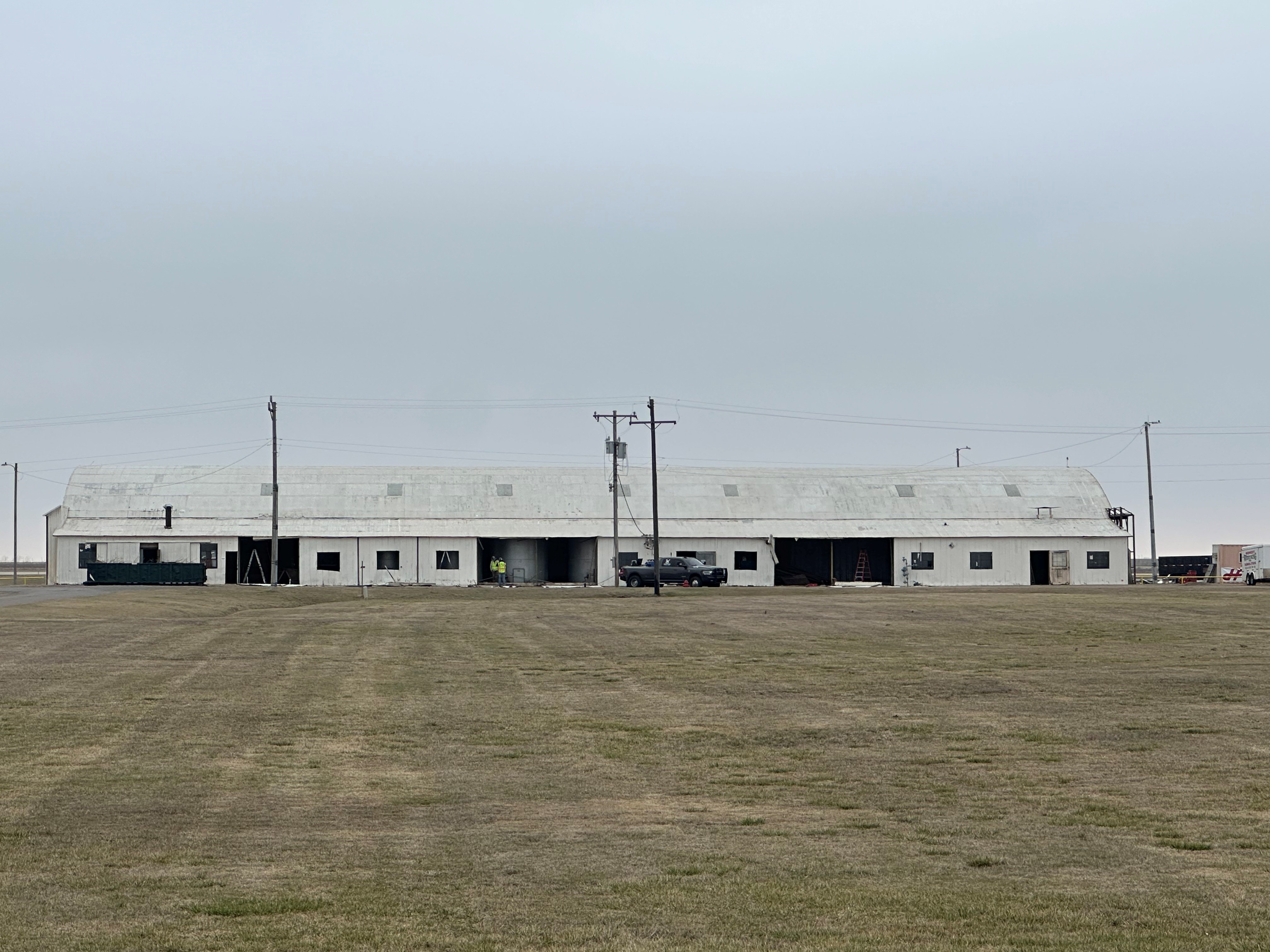
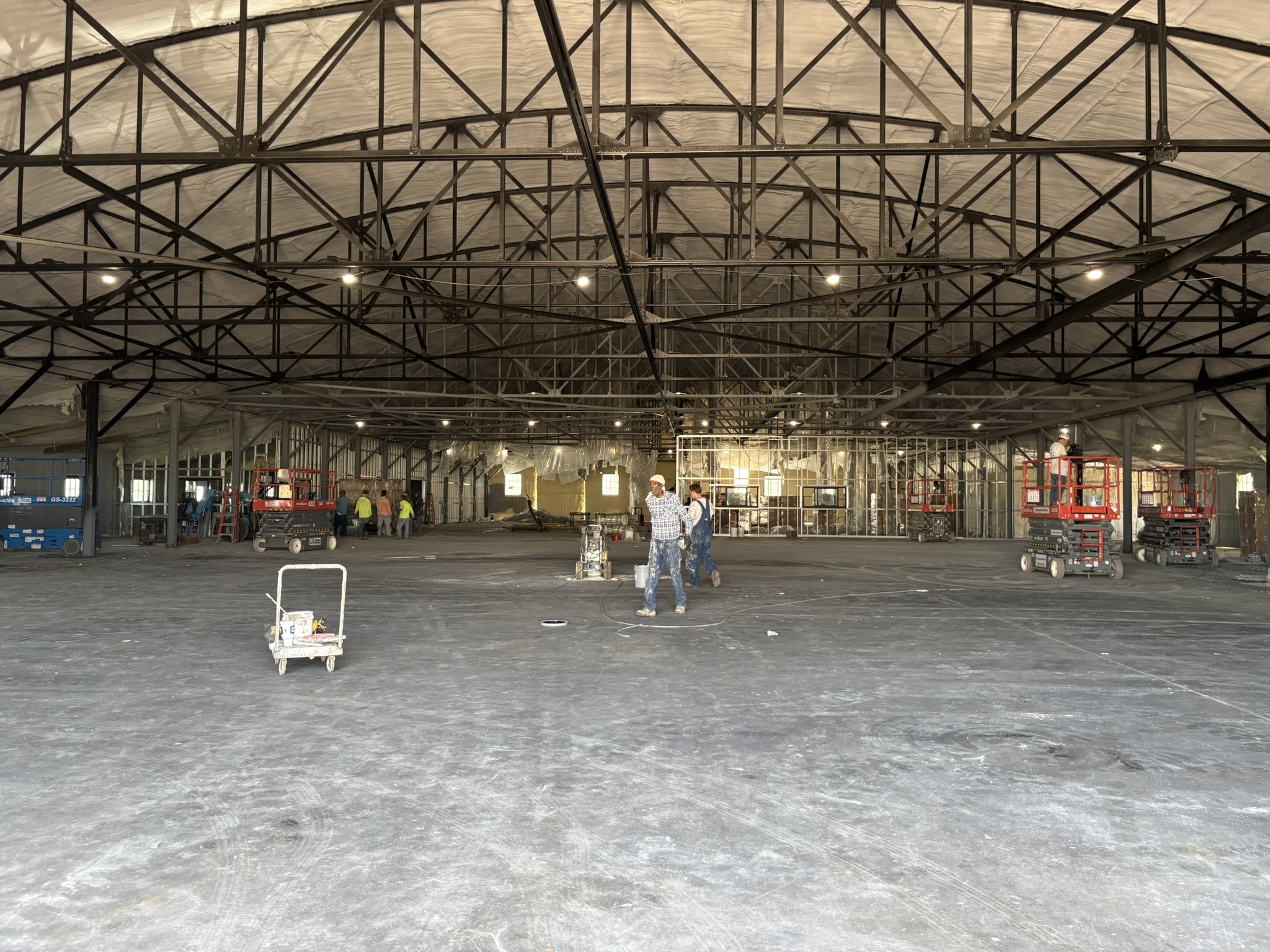
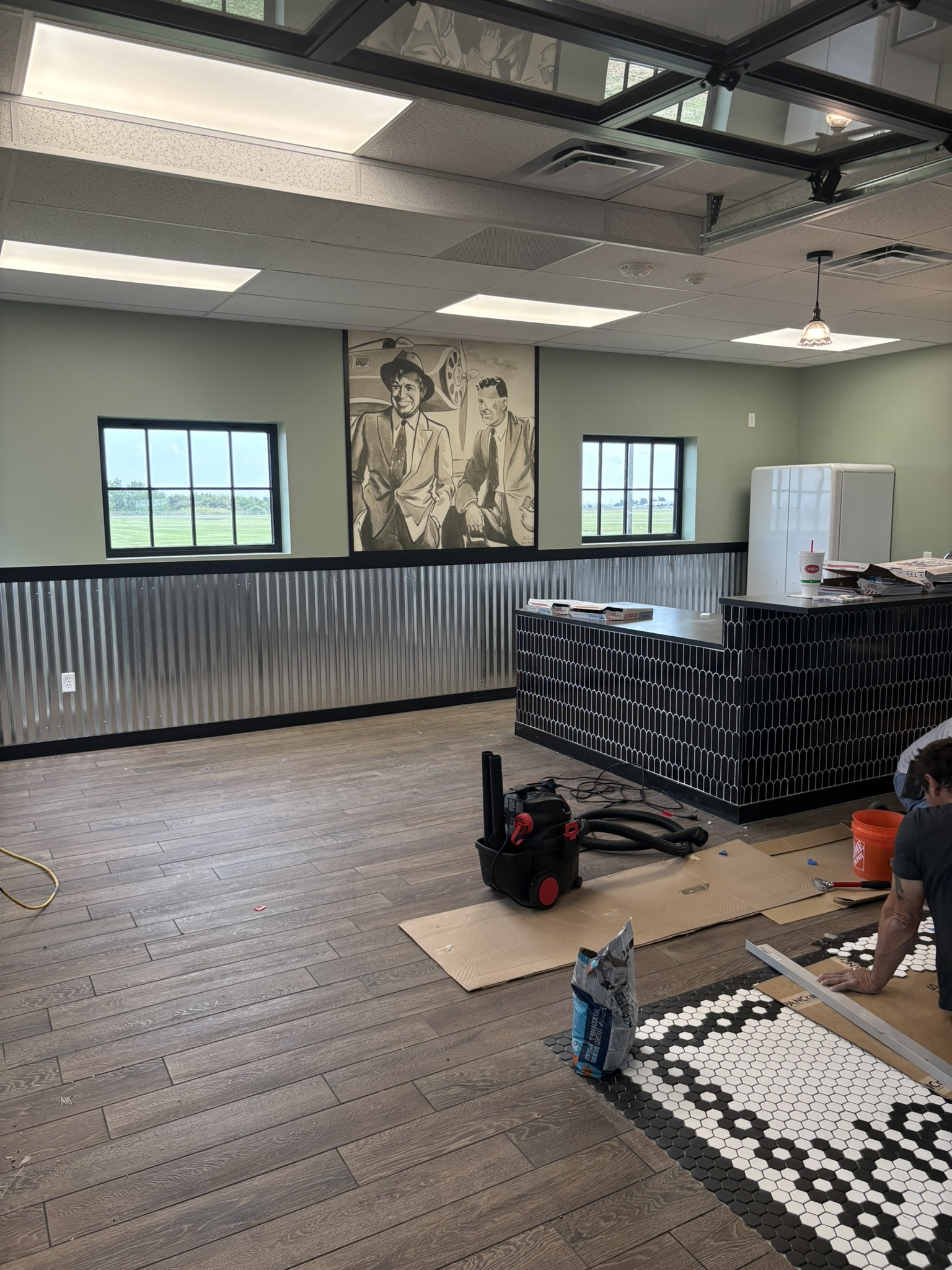
Separate from the aircraft restoration above, this is how the building itself was restored. The 1943 WWII-era Hangar 3 was brought back in phases across 2025 — from demolition through completion.

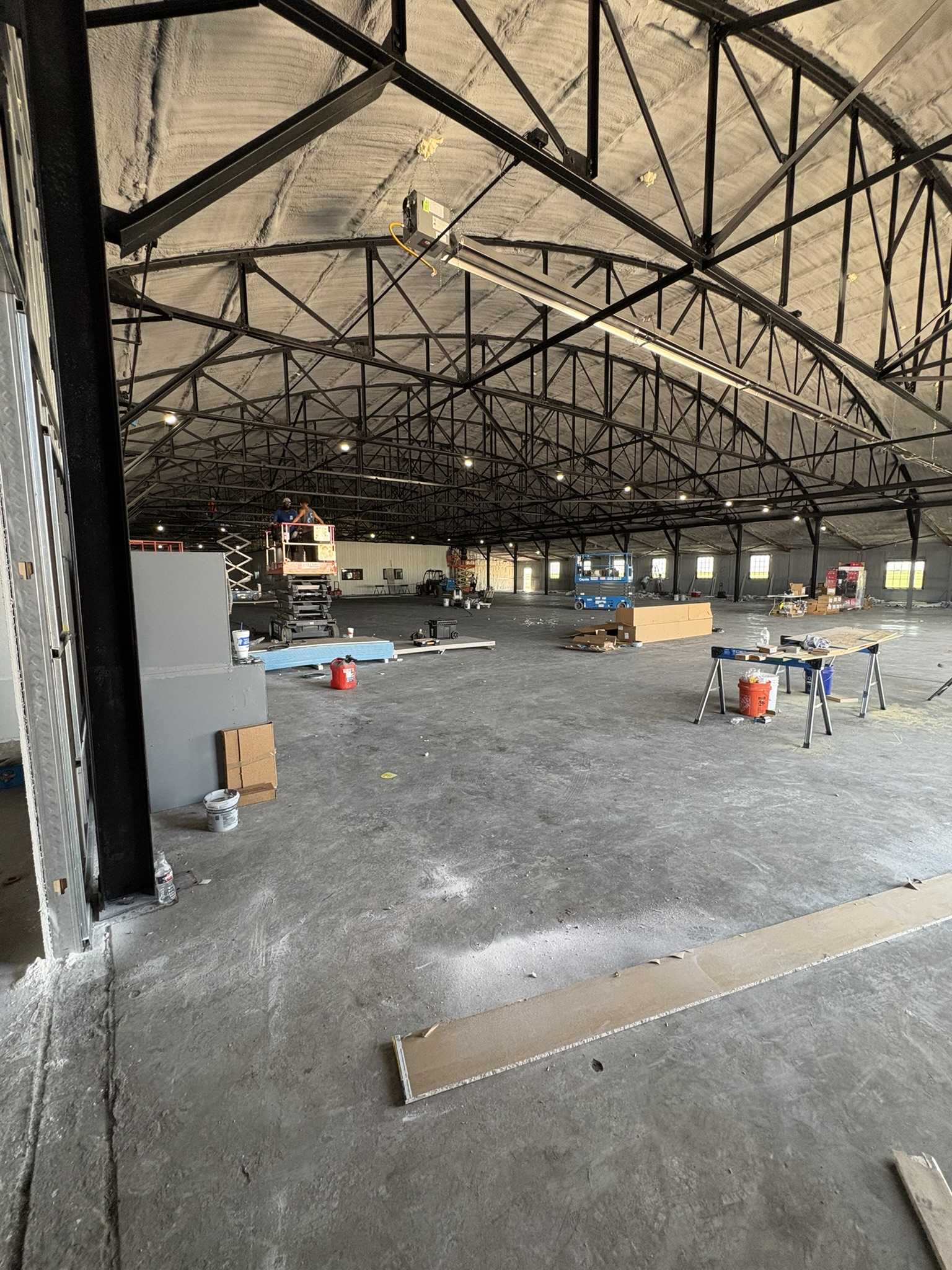
Inside Hangar 3 during the rebuild, July 2025: new walls and framing going up under plastic sheeting, the exterior, and the field's old beacon tower. 45 seconds, no sound.

Demolition · February 2025

Exterior

Work begins. The WWII-era hangar is stripped back so it can be restored to its original 1943 character and become the home of The Caldwell Collection.

Demolition · February 2025 — exterior
Interior

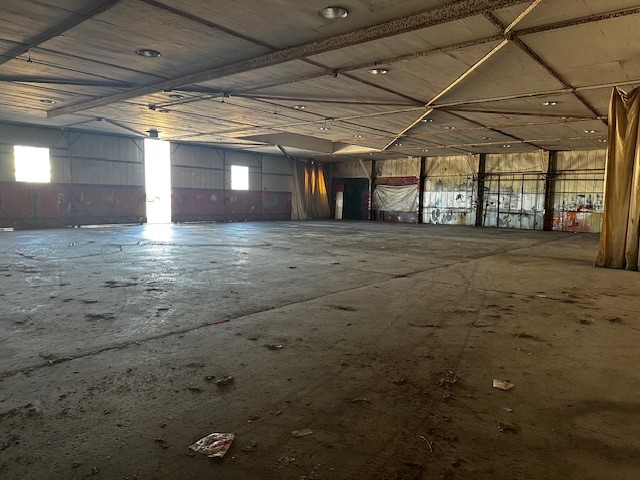
Inside, decades of clutter and outdated infrastructure are cleared out to make room for the museum floor and the restoration shop.

Demolition · February 2025 — interior

April 2025

Exterior

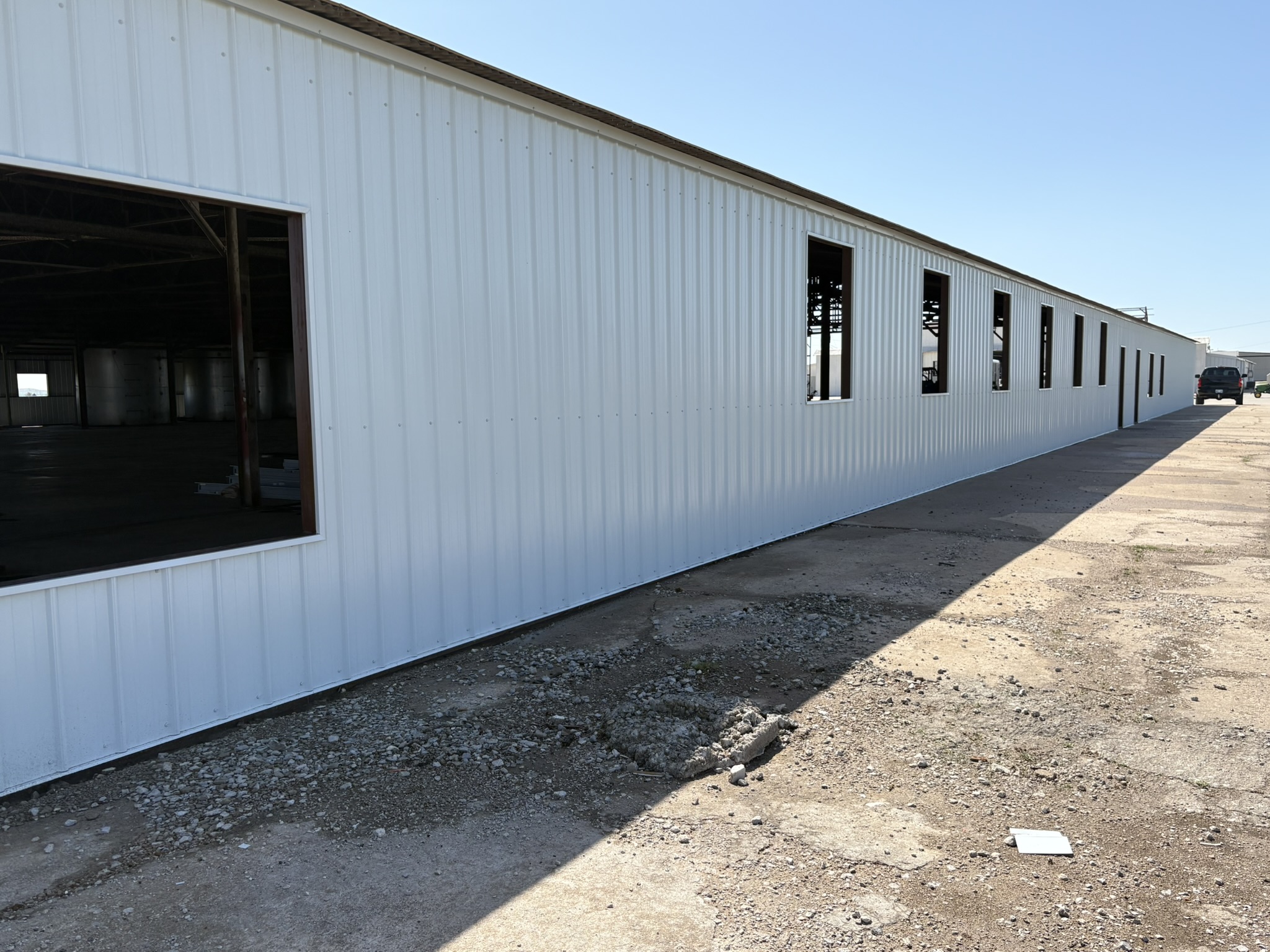
New exterior metal siding is in place, true to the hangar's original lines.

April 2025 — exterior
Interior

Solid ground, soaring vision. New concrete flooring has been poured, and clean-up inside the hangar has revealed its full footprint.

April 2025 — interior
Later phases

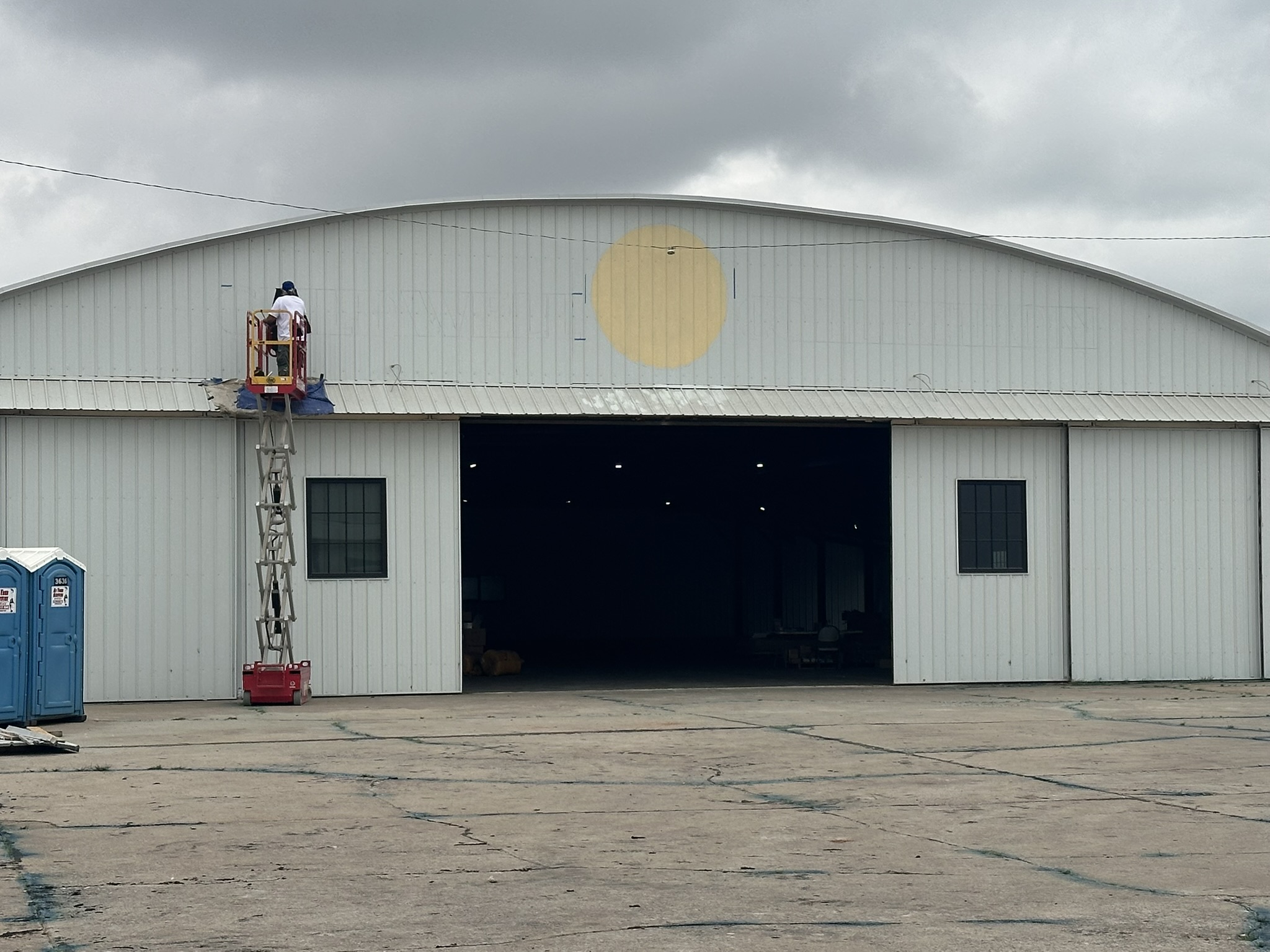
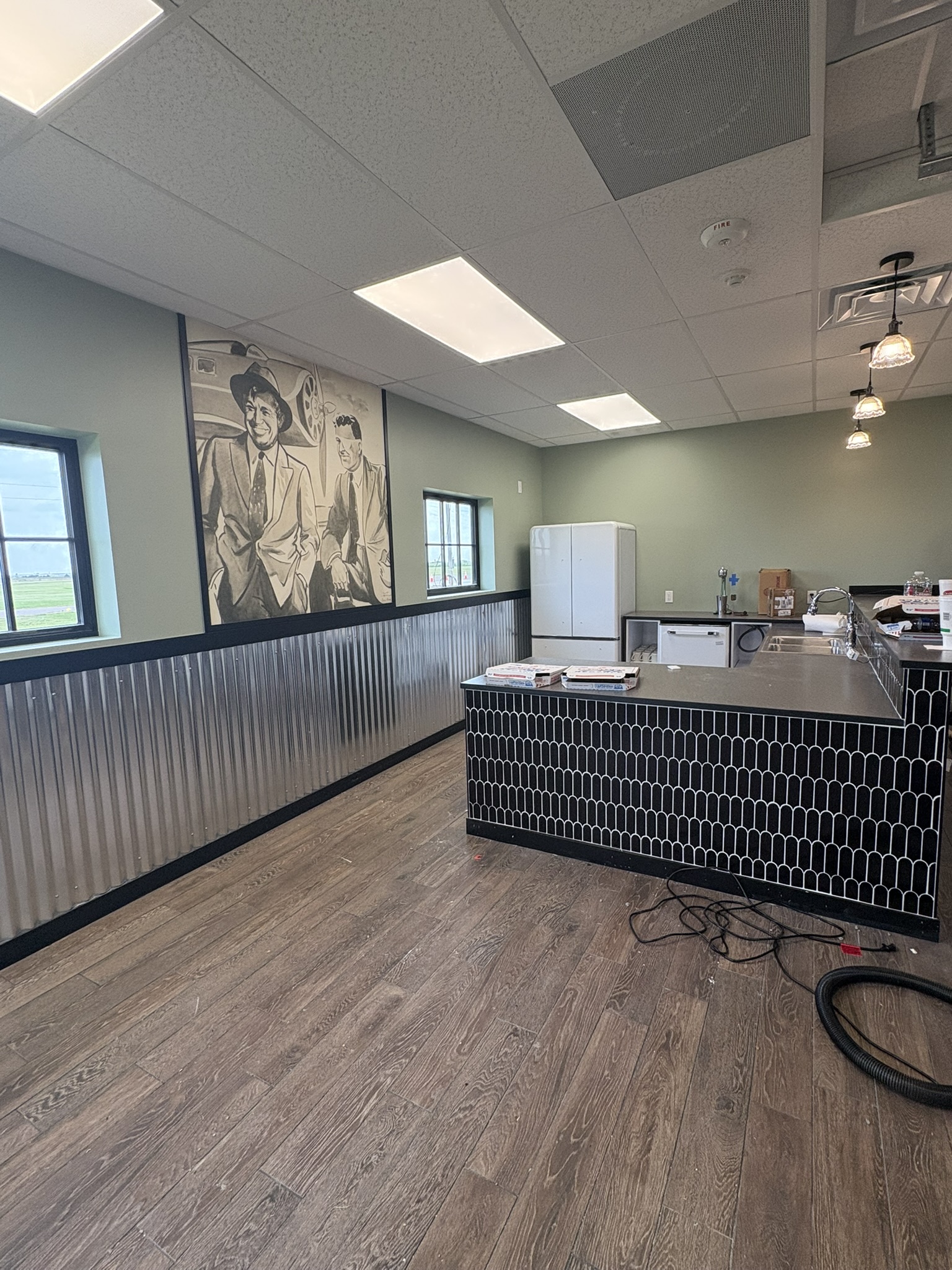
Siding, structural reinforcement, and interior build-out continued across summer and fall 2025, with final completion in late 2025. Archival photos from those phases will be added as we finish cataloging.

ON-SITE PHOTOS

Work in progress

Construction and interior build-out across 2025.

Hangar 3 renovation in progress Hangar 3 renovation in progress Hangar 3 renovation in progress Hangar 3 renovation in progress Hangar 3 renovation in progress Hangar 3 renovation in progress Hangar 3 renovation in progress Hangar 3 renovation in progress Hangar 3 renovation in progress Hangar 3 renovation in progress