

1946 Cessna 120
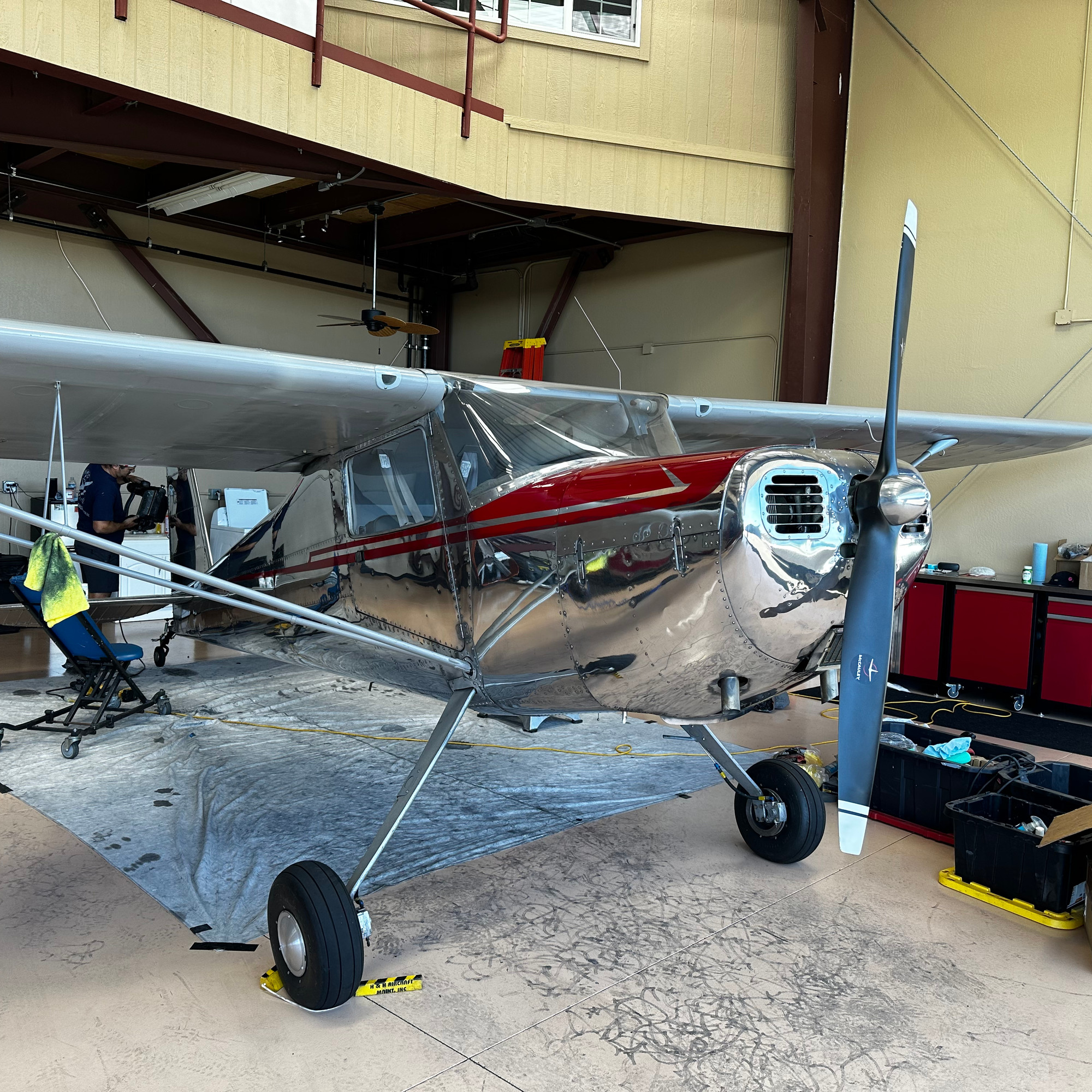
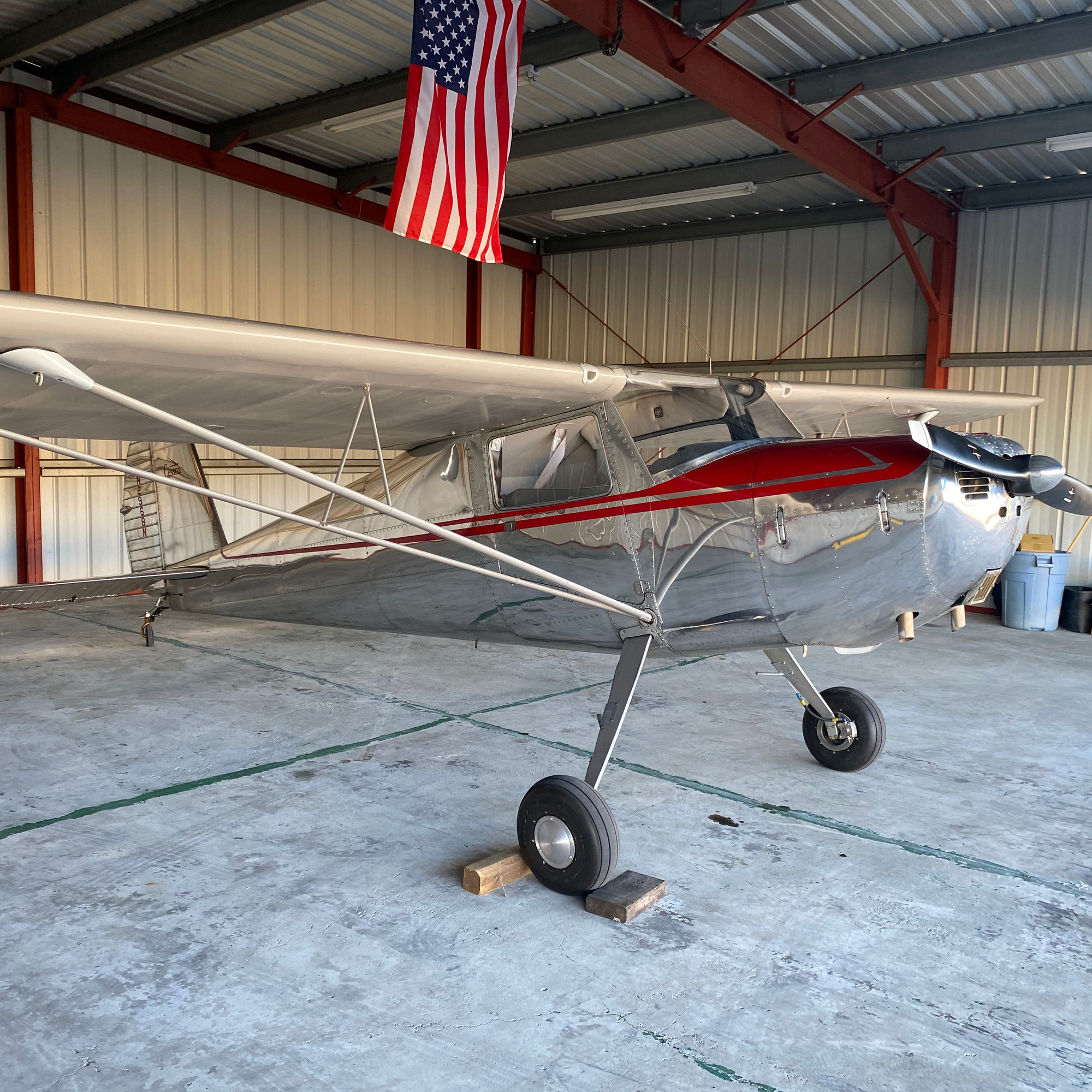
One of the first mostly-metal general aviation aircraft — though the wings, like the earliest 120s, are still fabric-covered.
A postwar taildragger — simple, affordable, and still delivering after nearly 80 years of flying.
1946 Cessna 120: A Simple Classic That Still Delivers
The Cessna 120 represents a pivotal shift in general aviation following World War II. Built for affordability, ease of use, and simple maintenance, the C120 was designed to get returning servicemen and new civilian pilots into the air without breaking the bank.
Introduced in 1946, the Cessna 120 was one of the first mostly metal general aviation aircraft, though early models, including this one, still featured fabric-covered wings. With its 85-horsepower, horizontally opposed four-cylinder engine, the Cessna 120 was a departure from the round radial engines of the prewar era, marking a new chapter in aircraft design.
Unlike its slightly more expensive sibling, the Cessna 140, the 120 was built for simplicity:
✔️ No flaps – Who needs them? A real pilot can manage without!
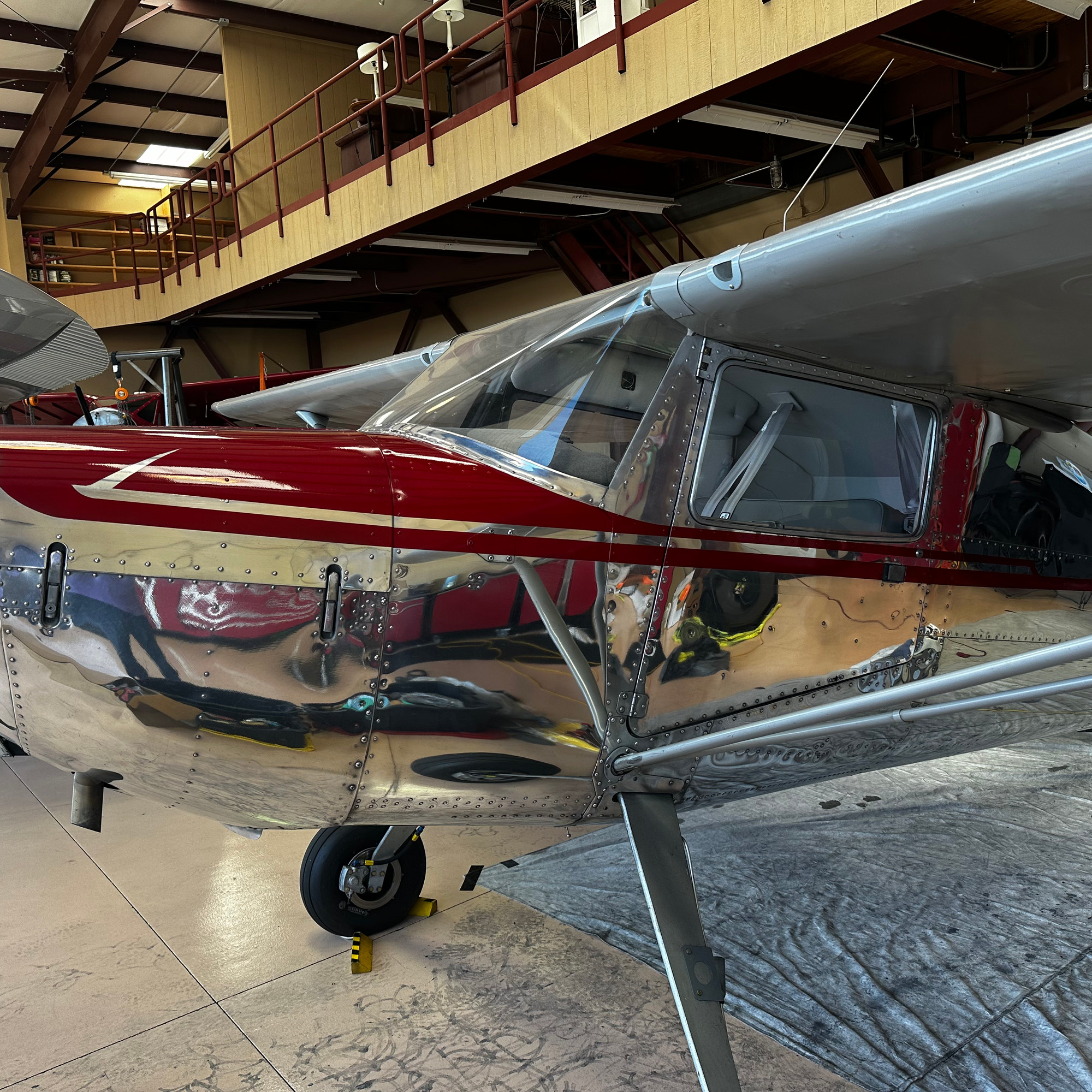
✔️ No rear quarter window – Function over form kept costs low.
✔️ Stable and forgiving flight characteristics – Making it ideal for student pilots.
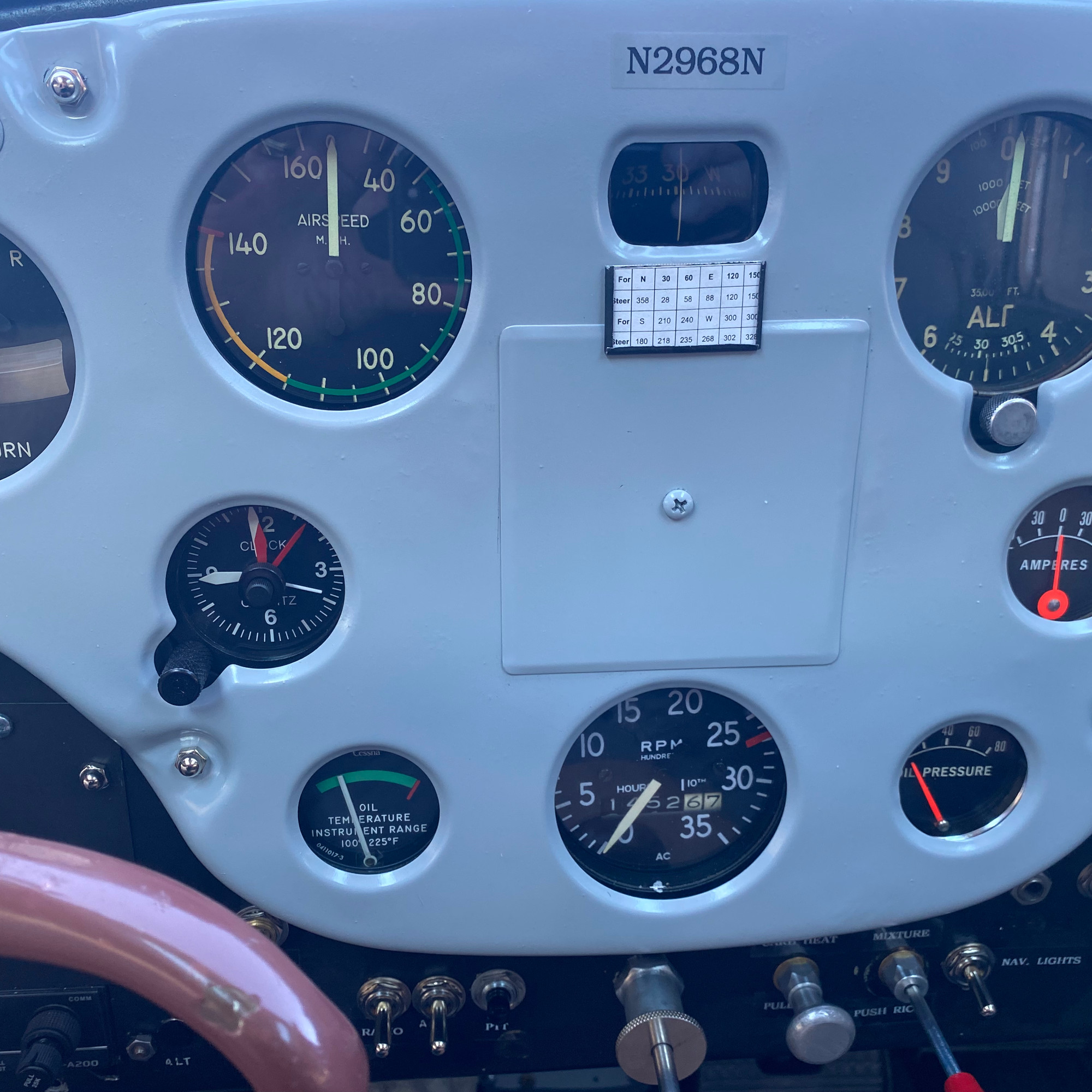
To make N 6968 truly shine:
✔️ The fuselage was polished to a mirror finish by expert Jamie Flinn.
✔️ A transponder with ADS-B was installed, enhancing visibility and safety.
Though it may never win a trophy, the Cessna 120 doesn’t need awards to prove its value. It’s a pilot’s airplane—simple, efficient, and fun to fly. Easy to see over the nose, predictable in handling, and inexpensive to operate, the Cessna 120 is a perfect example of how great aircraft don’t have to be complicated.
For more information including photographs, restoration information, history, and how we came to acquire the plane go to www.DreamWacos.com
Postwar Pioneer

Drawn from reference photos
From every angle
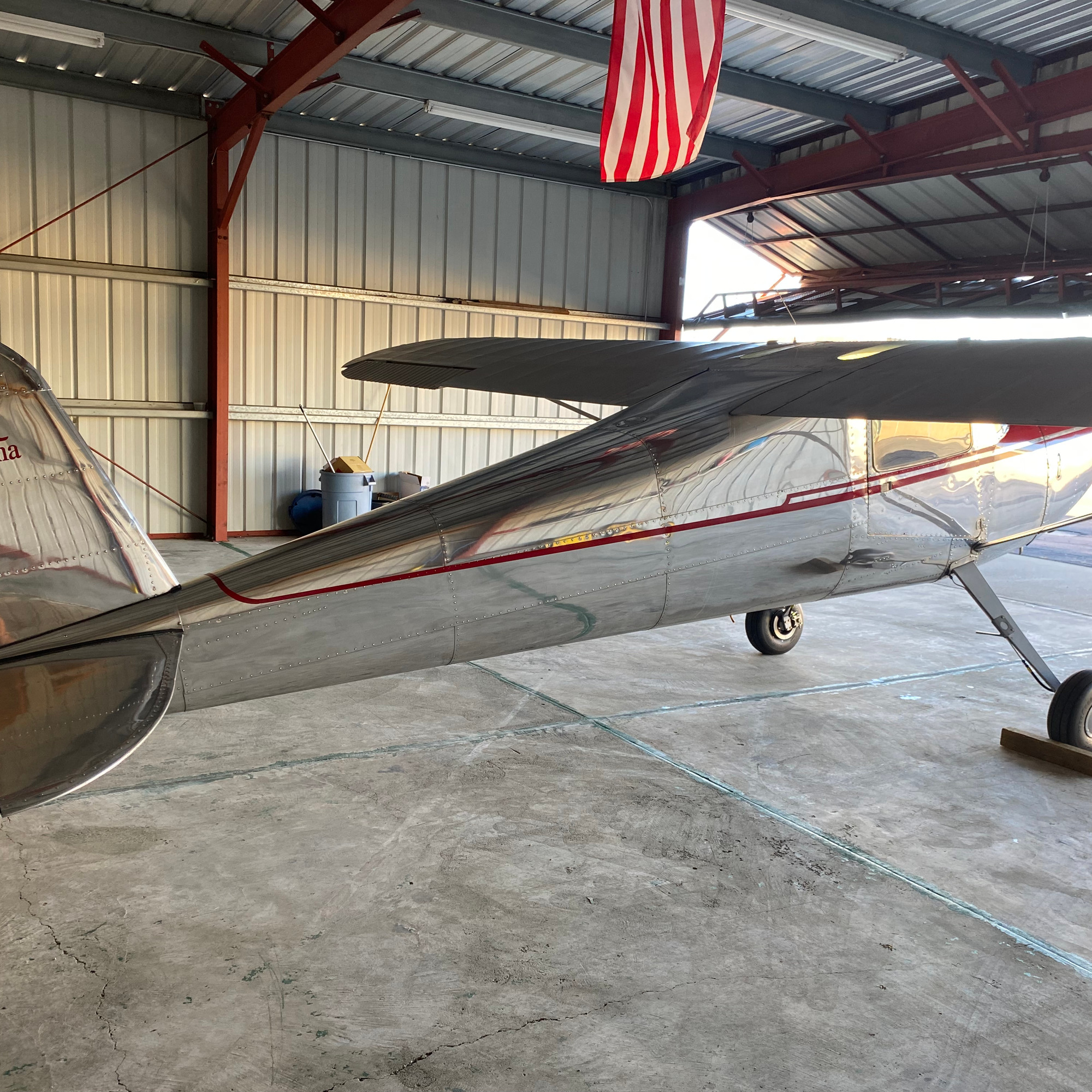
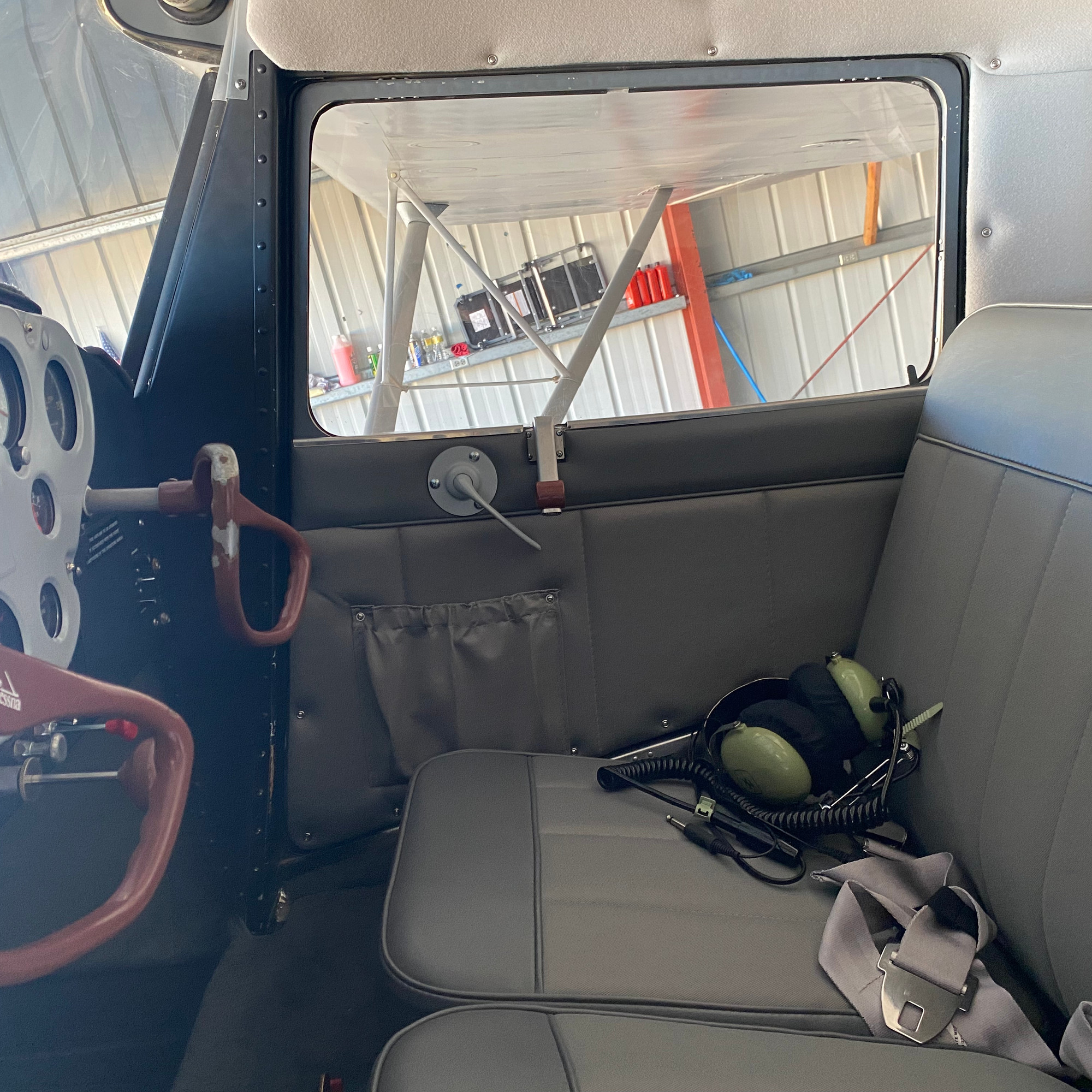
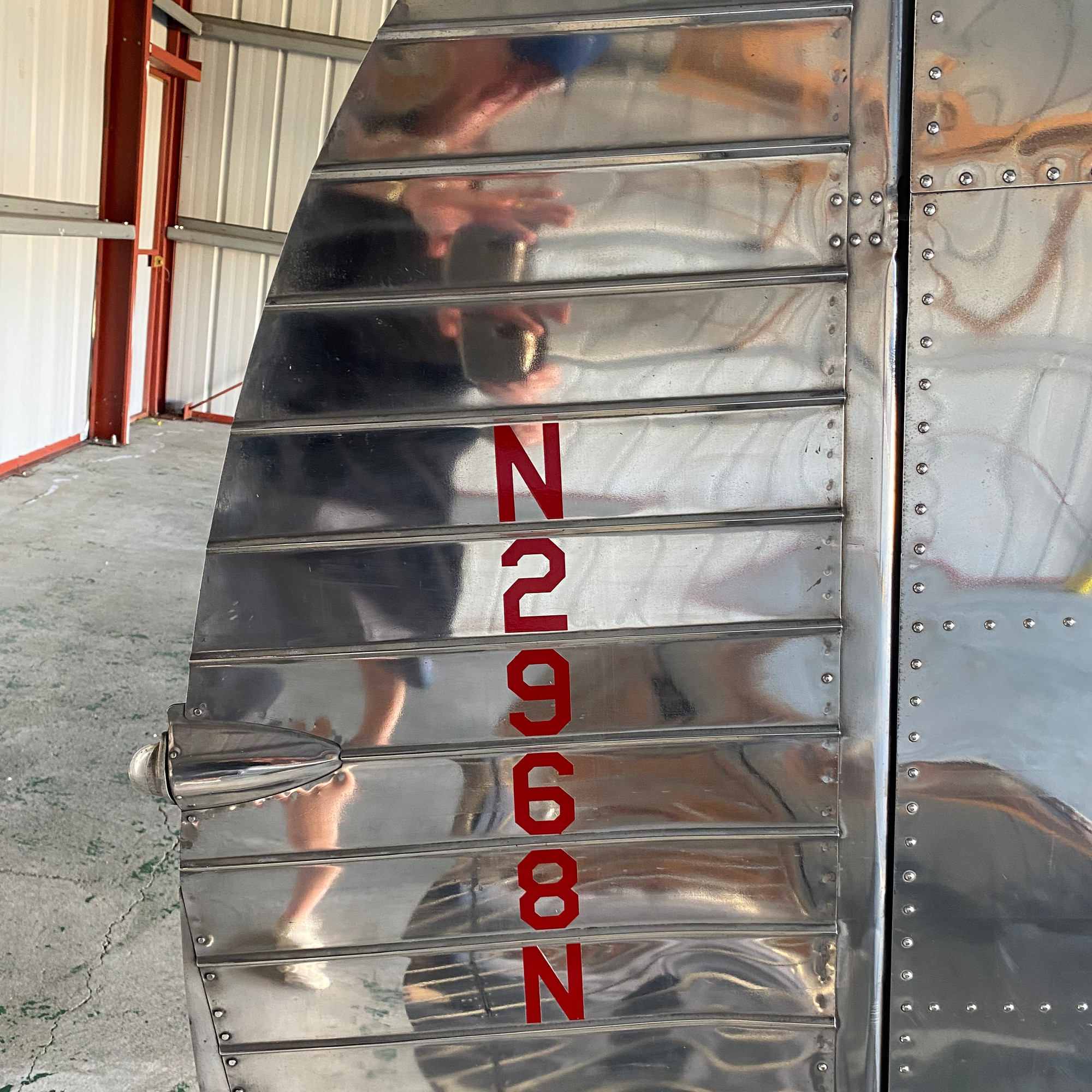
See the 1946 Cessna 120 in person
The Collection is open Tuesday–Friday 10am–4:30pm and Saturday 10am–2pm, free admission. You can see this aircraft up close in Hangar 3, where the same shop that maintains and restores the whole Collection works on site. It's part of our flying fleet. On flying days it may be out on the line.
Follow the Collection on Facebook, Instagram and YouTube ↗ for new acquisitions, restoration progress, and flying days.
You might also like

Culver Cadet
Serial #117 — a streamlined retractable-gear monoplane, restored by Keith Unzicker over seven years. Burns just 4 gallons per hour.

Waco UPF-7
The classic Waco open-cockpit trainer — graceful lines and predictable flight characteristics that convert skeptics into fans.

Waco UPF-7
NC32071 — a champion of craftsmanship, this second UPF-7 carries its own distinct service history.