
A. Francis Arcier
1891–1969
The engineer behind the Wacos of the 1930s
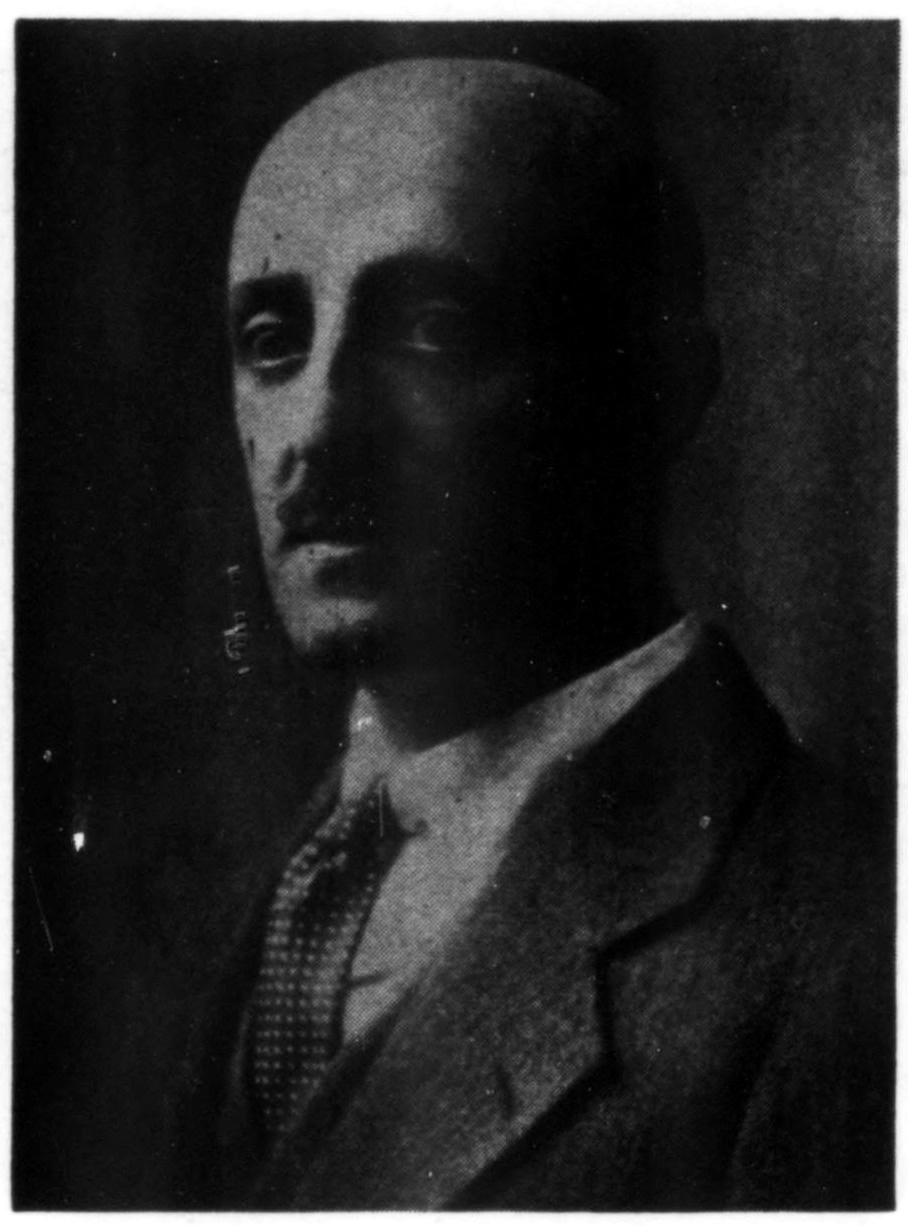
Most of the Wacos in our hangars passed across the drawing boards of one man, and almost nobody who flies them knows his name. A. Francis Arcier was born in London in 1891 and educated in England and France, where he studied aeronautics at Gustave Eiffel's wind tunnel at Passy. He learned to fly in 1911, earned his Royal Aero Club certificate in July 1914, and worked as a draftsman for some of the great names of early European aviation, among them Gabriel Voisin and Henri Coanda. During the First World War he was at Handley Page in England, where he worked on the first four-engine bomber Britain ever flew.
He came to the United States in 1919 as chief engineer of the Witteman Aircraft Corporation, which built the enormous Barling Bomber for the Army, and then became chief engineer of the Fokker Aircraft Corporation in America, where he worked on the Fokker trimotor. He became an American citizen in 1929 and ran engineering for General Airplanes Corporation in Buffalo before Waco hired him.
Arcier joined the Waco Aircraft Company in Troy, Ohio, on May 1, 1930, as chief engineer, and soon became vice president in charge of engineering. He stayed seventeen years. In his first year Waco brought out the Model F, a smaller, lighter and more efficient biplane than anything it had built before, and the F-series line he oversaw ran from that 1930 RNF to the UPF-7 trainers that taught a generation of Civilian Pilot Training Program students to fly. In 1931 Waco introduced its first successful cabin biplanes, the line that produced our 1936 YKS-6. When the war came, Waco's engineering department under Arcier's technical direction developed the Army's combat and cargo gliders, among them the CG-4A, which carried troops into Sicily, Burma and Normandy.
After he left Waco in 1947, Arcier became chief scientist for Air Force intelligence at Wright-Patterson Air Force Base, received the Air Force's Meritorious and Distinguished Civilian Service Awards, and retired in 1963. He died in Dayton on November 21, 1969, and is buried at Maple Hill Cemetery in Tipp City, a few miles from the Waco factory. His papers are at the National Air and Space Museum.
The Caldwell Collection holds nine Wacos from Arcier's years, including every F-series model. Walking down that row of airplanes is walking through his career.