Edward E. Porterfield
1890–1948
The Kansas City builder who started over
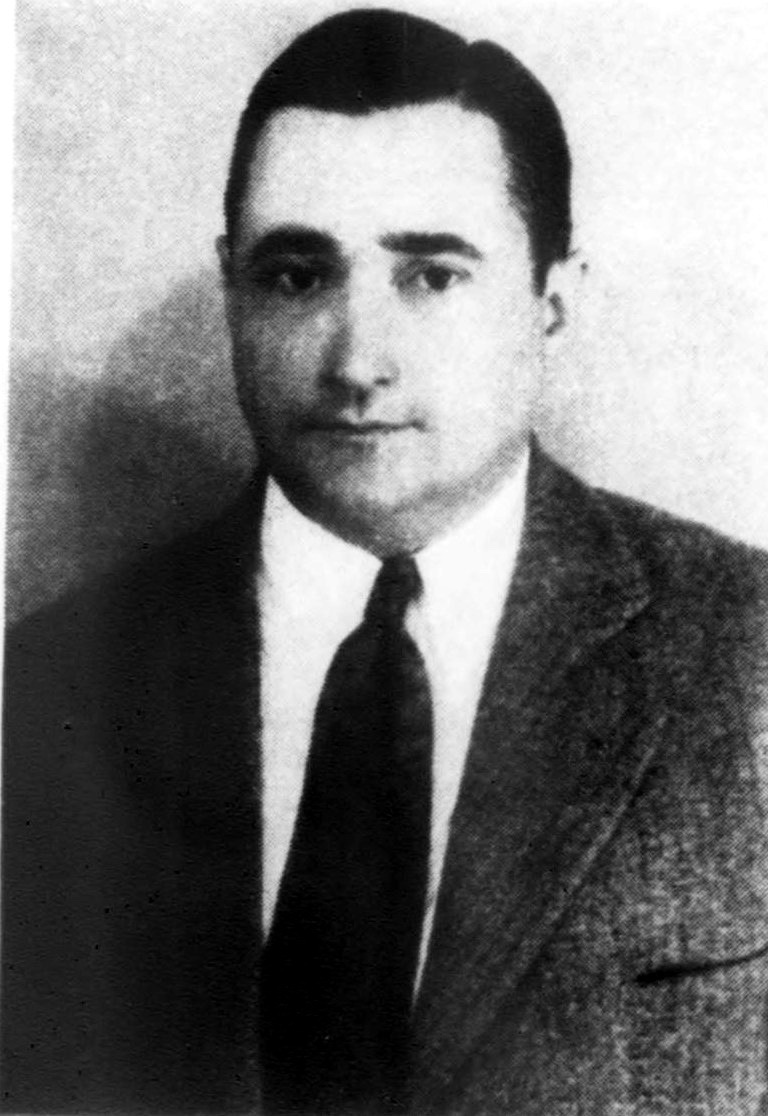
Edward Porterfield built one of the biggest airplane companies in America, watched the Depression take it away, and then came back to build airplanes under his own name. Edward Everett Porterfield Jr. was born in Kansas City, Missouri, on November 7, 1890, the son of Judge Edward E. Porterfield. He managed an insurance office in Kansas City and served in France in 1918 as a sergeant in the 89th Division's 314th Trench Mortar Battery.
He learned to fly in 1925 in a war-surplus Standard J-1 and started the Porterfield Flying School at Richards Field, Kansas City's first airport. That same year he founded the company that became the American Eagle Aircraft Corporation, and its first airplane, a three-seat open-cockpit biplane, appeared in the spring of 1926. By the summer of 1927 the Kansas City Star reported the factory was averaging about one airplane a day. The company moved to Fairfax Airport in Kansas City, Kansas, reorganized as a Delaware corporation in 1928, bought the Wallace Aircraft Company in 1929, and by one account had become the third-largest nonmilitary aircraft builder in the world.
The crash of 1929 changed all that. As sales of sport biplanes dried up, Porterfield wanted to build a thousand-dollar airplane, a light open-cockpit monoplane that almost anyone could afford. The story goes that it was designed the old-fashioned way, drawn out full-size in chalk on the factory floor. It first flew on June 30, 1930, and went on the market at $995 as the Eaglet. Some accounts credit the design to Porterfield himself and others to Noel Hockaday, American Eagle's last designer. It was not enough to save the company. American Eagle went into receivership in early 1931, and in May the Lincoln Aircraft Company of Nebraska bought what was left and formed American Eagle-Lincoln, run by Victor Roos. Porterfield stayed on briefly in sales and left in July 1931.
In May 1934 he watched the first flight of the Wyandotte Pup, a little high-wing monoplane Hockaday had designed and the aviation club at Wyandotte High School had built. He bought the airplane and its manufacturing rights on the spot, hired Hockaday, and founded the Porterfield Aircraft Corporation in Kansas City, Missouri. The Pup became the Model 35, built with a 70-horsepower LeBlond as the 35-70. The Zephyr and the CP-series Collegiates followed, and many Collegiates taught students in the Civilian Pilot Training Program. Civilian production ended as the war began, and after failing to win a military contract the company closed in 1942. Porterfield, by one account, spent the war building troop gliders under subcontract. He died in Kansas City on August 29, 1948, and is buried at Mount Washington Cemetery in Independence, Missouri.
The Collection holds an airplane from each of his companies. Our 1931 American Eagle Eaglet 230 is the thousand-dollar airplane he set out to build, though it was completed and sold by American Eagle-Lincoln after his company had failed. Our 1936 Porterfield 35-70 comes from the comeback.
Our airplanes from this story
Part of the story told in The Founders’ Tree, the founders posters in the museum.